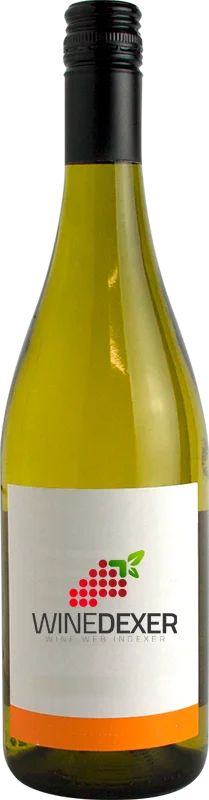
Winery KalalaDostana Sauvignon Blanc
 White wine
This wine generally goes well with vegetarian, rich fish (salmon, tuna etc) or shellfish.

Food and wine pairings with Dostana Sauvignon Blanc
Pairings that work perfectly with Dostana Sauvignon Blanc



Original food and wine pairings with Dostana Sauvignon Blanc
The Dostana Sauvignon Blanc of Winery Kalala matches generally quite well with dishes of rich fish (salmon, tuna etc), shellfish or vegetarian such as recipes of endives with smoked salmon au gratin, soy and shrimp noodles or ham and comté quiche.
Details and technical informations about Winery Kalala's Dostana Sauvignon Blanc.
Discover the grape variety: Doradilla
Fresh, simple dry whites with a pale golden robe, a supple palate and moderate acidity, with unassuming aromas of citrus, white flowers and Andalusian herbal notes. Also made as sweet fortified wines and mistelles with candied fruit and honey notes. A traditional component of Málaga DO and Sierras de Málaga DO wines, productive and heat-resistant. Native Spanish white grape from Andalusia, mainly in Málaga province.
Informations about the Winery Kalala
The Winery Kalala is one of of the world's great estates. It offers 14 wines for sale in the of Okanagan Valley to come and discover on site or to buy online.

The wine region of Okanagan Valley
Main vineyard of western Canada, unique climatic contrast. Cooler north: fine Pinot Noir with red fruits, mineral Riesling, balanced Chardonnay. Sunny desert south (Osoyoos): firm Cabernet Sauvignon, round Merlot, spicy deep Syrah. World-renowned specialty: Icewine from Riesling or Vidal, sweet and concentrated (apricot, honey, candied fruits), from grapes frozen on the vine.
The wine region of British Columbia
Canada's west-coast benchmark, wine heartland in the Okanagan Valley. Semi-desert continental climate, marked temperature swings: signature Pinot Gris (pear, honey, spice, round palate), fresh, fine Pinot Noir (cherry, undergrowth), precise Chardonnay and taut Riesling in the north. Hot south for dense Cabernet Sauvignon, round Merlot and peppery Syrah. Also exceptional Icewine (Vidal, Riesling).
The word of the wine: Viscosity
Consistency of wine reminiscent of the tactile sensation of sugar syrup with varying degrees of fluidity, due to the alcohol and natural sugar in the grapes present in sweet wines. In excess, this sensation can make the wine pasty and heavy. To the eye, viscosity is referred to as tears.