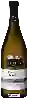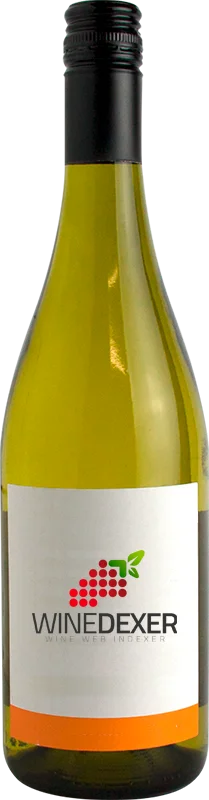
Winery João M BarbosaNinfa de Teresa
 White wine


In the mouth this white wine is a powerful.
This wine generally goes well with pork, lean fish or shellfish.
Taste structure of the Ninfa de Teresa from the Winery João M Barbosa
Light | Bold | |
Dry | Sweet | |
Soft | Acidic |
In the mouth the Ninfa de Teresa of Winery João M Barbosa in the region of Tejo is a powerful.
Wine flavors and olphactive analysis

Food and wine pairings with Ninfa de Teresa
Pairings that work perfectly with Ninfa de Teresa



Original food and wine pairings with Ninfa de Teresa

The Ninfa de Teresa of Winery João M Barbosa matches generally quite well with dishes of pasta, pork or shellfish such as recipes of salmon and spinach lasagna, alsatian sauerkraut or marco polo salad.
Details and technical informations about Winery João M Barbosa's Ninfa de Teresa.
Discover the grape variety: Muscadelle
Muscadelle white is a grape variety that originated in France (Bergerac). It produces a variety of grape specially used for wine making. It is rare to find this grape to eat on our tables. This variety of grape is characterized by bunches of medium size, and grapes of medium caliber. Muscadelle white can be found in several vineyards: South-West, Cognac, Bordeaux, Armagnac, Provence & Corsica, Rhone valley, Loire valley, Savoie & Bugey, Beaujolais, Languedoc & Roussillon.
Last vintages of this wine
The best vintages of Ninfa de Teresa from Winery João M Barbosa are 0, 2014
Informations about the Winery João M Barbosa
The Winery João M Barbosa is one of of the world's great estates. It offers 26 wines for sale in the of Tejo to come and discover on site or to buy online.

The wine region of Tejo
Tejo is a wine region in CentralPortugal which covers the same area as the Ribatejo province, just inland from the major city of Lisbon. The wine appellation's name was changed from Ribatejo in 2009. The entire region may use the Tejo VR (Vinho Regional) designation, similar to the French IGP/Vin de Pays, while some areas produce wines labeled with the higher-level Do Tejo DOC (Denominação de Origem Controlada). A Warm, Dry area, it is also Portugal's only landlocked region – although it is influenced considerably by the Tejo river.
The word of the wine: Fruity
A wine whose nose is first characterized by aromas reminiscent of the world of fruit. A wine to be drunk young is essentially fruity, but all wines offer this type of aroma in the first place, which can evolve over time, from the scent of fresh fruit to cooked, stewed, candied or brandied fruit.