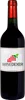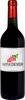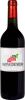
Winery Jean VirelyLe Colonel Bourgogne Cuvée Alexis Pinot Noir
 Red wine
This wine generally goes well with poultry, beef or veal.

Food and wine pairings with Le Colonel Bourgogne Cuvée Alexis Pinot Noir
Pairings that work perfectly with Le Colonel Bourgogne Cuvée Alexis Pinot Noir



Original food and wine pairings with Le Colonel Bourgogne Cuvée Alexis Pinot Noir

The Le Colonel Bourgogne Cuvée Alexis Pinot Noir of Winery Jean Virely matches generally quite well with dishes of beef, veal or game (deer, venison) such as recipes of homemade italian lasagna, veal escalope with lemon sauce or duck breast with honey sauce.
Details and technical informations about Winery Jean Virely's Le Colonel Bourgogne Cuvée Alexis Pinot Noir.
Discover the grape variety: Pinot noir
Elegant reds, light in colour with silky tannins, showing strawberry, cherry and raspberry aromas, evolving to forest floor, mushroom and spice with age. Fresh acidity, delicate finish. Star of the Côte d'Or (Romanée-Conti, Chambertin, Volnay), pillar of Champagne (Blanc de Noirs) and signature of Oregon, Central Otago and Sonoma Coast. An early-ripening Burgundian variety, one of the world's greatest.
Informations about the Winery Jean Virely
The Winery Jean Virely is one of of the world's greatest estates. It offers 7 wines for sale in the of Burgundy to come and discover on site or to buy online.

The wine region of Burgundy
Absolute reference for great terroir wines: opulent, mineral Chardonnay in whites (chiselled Chablis, buttery Meursault, majestic Montrachet), fine and silky Pinot Noir in reds (full-bodied Gevrey, structured Pommard, delicate Volnay). Exceptional age-worthy wines with complex notes - red fruits, undergrowth, butter, hazelnut. Some lively Aligoté and light Gamay (Mâconnais). 29,500 ha, 84 tiered AOCs (Régionale, Village, 1er Cru, Grand Cru), 1,247 UNESCO Climats.
The word of the wine: Maturing (champagne)
After riddling, the bottles are stored on "point", upside down, with the neck of one bottle in the bottom of the other. The duration of this maturation is very important: in contact with the dead yeasts, the wine takes on subtle aromas and gains in roundness and fatness. A brut without year must remain at least 15 months in the cellar after bottling, a vintage 36 months.