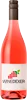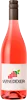
Winery Jean de RoueyreSaint-Chinian Rosé
 Pink wine
In the mouth this pink wine is a with a nice freshness.
This wine generally goes well with vegetarian, appetizers and snacks or lean fish.

Taste structure of the Saint-Chinian Rosé from the Winery Jean de Roueyre
Light | Bold | |
Dry | Sweet | |
Soft | Acidic |
In the mouth the Saint-Chinian Rosé of Winery Jean de Roueyre in the region of Languedoc-Roussillon is a with a nice freshness.
Food and wine pairings with Saint-Chinian Rosé
Pairings that work perfectly with Saint-Chinian Rosé



Original food and wine pairings with Saint-Chinian Rosé


The Saint-Chinian Rosé of Winery Jean de Roueyre matches generally quite well with dishes of pasta, vegetarian or appetizers and snacks such as recipes of seafood lasagna, magic cake cheese quiche or fake foie gras.
Details and technical informations about Winery Jean de Roueyre's Saint-Chinian Rosé.
Discover the grape variety: Rieslaner
Aromatic, structured whites with excellent ageing potential, with a golden colour, a taut palate with pronounced acidity, and signature aromas of ripe yellow fruits (peach, apricot), citrus (lemon) and honey notes. Excels in sweet and botrytised dessert wines (Auslese, BA, TBA). Grown in Franconia and the Palatinate, it yields some of Germany's greatest dessert wines. A German white variety bred in 1921 in Würzburg (Silvaner × Riesling), late-ripening.
Informations about the Winery Jean de Roueyre
The Winery Jean de Roueyre is one of of the world's greatest estates. It offers 2 wines for sale in the of Saint-Chinian to come and discover on site or to buy online.

The wine region of Saint-Chinian
Languedoc cru between Beziers and Saint-Pons, signature dual terroir. Fleshy Mediterranean reds with notes of black fruit (blackberry, black cherry), garrigue, pepper, liquorice and spice, firm tannins and a sun-drenched palate. Northern schists: fruitier, smokier profile. Southern clay-limestone: more structured wines.
The wine region of Languedoc-Roussillon
Largest single French vineyard, dominated by sunny, generous reds. Spicy Syrah, candied Grenache (ripe fruit, garrigue), structured Carignan, deep Mourvèdre, supple Cinsault. Stars: structured Corbières, Minervois, Faugères, Saint-Chinian; round Côtes-du-Roussillon. Legendary vins doux naturels: Banyuls and Maury (fortified Grenache) with notes of cocoa, fig, prune.
The word of the wine: Deposit
Solid particles that can naturally coat the bottom of a bottle of wine. It is rather a guarantee that the wine has not been mistreated: in fact, to avoid the natural deposit, rather violent processes of filtration or cold passage (- 7 or - 8 °C) are used in order to precipitate the tartar (the small white crystals that some people confuse with crystallized sugar: just taste to dissuade you from it)