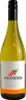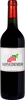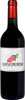
Winery Jean Claude BerthillotVin Des Fossiles Vieilles Vignes Gamay
 Red wine



This wine generally goes well with beef

Food and wine pairings with Vin Des Fossiles Vieilles Vignes Gamay
Pairings that work perfectly with Vin Des Fossiles Vieilles Vignes Gamay

Original food and wine pairings with Vin Des Fossiles Vieilles Vignes Gamay
The Vin Des Fossiles Vieilles Vignes Gamay of Winery Jean Claude Berthillot matches generally quite well with dishes of beef such as recipes of kamounia : tunisian beef stew.
Details and technical informations about Winery Jean Claude Berthillot's Vin Des Fossiles Vieilles Vignes Gamay.
Discover the grape variety: Gamay noir
Light, juicy reds, low in tannins with crunchy freshness, showing aromas of wild strawberry, raspberry, banana (from carbonic maceration) and peony. Easy-drinking style of Beaujolais Nouveau, more structured and mineral on the granites of the ten crus (Morgon, Moulin-à-Vent, Fleurie, Brouilly). Also in Touraine, Auvergne and Swiss Romande. A Burgundian variety, a cross of Pinot Noir × Gouais Blanc.
Informations about the Winery Jean Claude Berthillot
The Winery Jean Claude Berthillot is one of of the world's greatest estates. It offers 8 wines for sale in the of Languedoc to come and discover on site or to buy online.

The wine region of Languedoc
Sunny, generous southern reds: spicy, peppery Syrah, round, candied Grenache (ripe fruit, garrigue), deep Mourvèdre, structured Carignan, supple Cinsault. From robust Corbières and Minervois to fresher Terrasses du Larzac, via Faugères on schist or taut Pic Saint-Loup. Lively, iodised Picpoul de Pinet whites (oysters), ample Roussanne and Marsanne. 14 sub-appellations, ~10,000 ha in regional AOC.
The wine region of Languedoc-Roussillon
Largest single French vineyard, dominated by sunny, generous reds. Spicy Syrah, candied Grenache (ripe fruit, garrigue), structured Carignan, deep Mourvèdre, supple Cinsault. Stars: structured Corbières, Minervois, Faugères, Saint-Chinian; round Côtes-du-Roussillon. Legendary vins doux naturels: Banyuls and Maury (fortified Grenache) with notes of cocoa, fig, prune.
The word of the wine: Thermoregulation
Control of the vinification temperatures (by circulating hot or cold water on the walls of the vats, for example). This is a major step forward, which in particular helps to preserve the freshness of the aromas threatened by excessive temperature rises during fermentation.