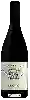
Winery Jardin SirilPays Syrah
 Red wine
This wine generally goes well with beef, veal or pasta.
Food and wine pairings with Pays Syrah
Pairings that work perfectly with Pays Syrah



Original food and wine pairings with Pays Syrah
The Pays Syrah of Winery Jardin Siril matches generally quite well with dishes of beef, pasta or veal such as recipes of pork tongue with bacon and onions, salmon lasagna or veal chop with rosemary.
Details and technical informations about Winery Jardin Siril's Pays Syrah.
Discover the grape variety: Rèze
Found in Switzerland in the upper Valais where it was used to produce the famous "Vin des glaciers". In France, it is little known except in Savoie and the Jura, although it is listed in the official catalogue of wine grape varieties on the A1 list. According to published genetic analyses, it is the grandmother of five grape varieties, including humagne rouge or petit rouge or cornalin d'Aoste; the mother of grosse arvine and the half-sister of freisa. It is also related to the poulsard, the nosiola, the cascarolo bianco, the groppello di revo, ... for more details click here !
Informations about the Winery Jardin Siril
The Winery Jardin Siril is one of wineries to follow in Languedoc-Roussillon.. It offers 5 wines for sale in the of Languedoc-Roussillon to come and discover on site or to buy online.

The wine region of Languedoc-Roussillon
Languedoc (formerly Coteaux du Languedoc) is a key appellation used in the Languedoc-Roussillon wine region of southern France. It covers Dry table wines of all three colors (red, white and rosé) from the entire region, but leaves Sweet and Sparkling wines to other more specialized appellations. About 75% of all Languedoc wines are red, with the remaining 25% split roughly down the middle between whites and rosés. The appellation covers most of the Languedoc region and almost a third of all the vineyards in France.
The word of the wine: Liquid
Sweet wine containing more than 50 grams of residual sugar per liter. Sweet wines are made from grapes often affected by botrytis cinerea and concentrated either by passerillage (drying of the grapes on the vine stock), or after the harvest (straw wines), or by the cold (ice wines).