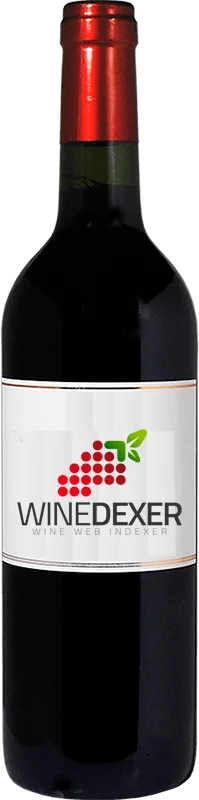
Winery James RiverHanover Red
 Red wine


This wine is a blend of 2 varietals which are the Cabernet franc and the Chambourcin.
This wine generally goes well with pork, poultry or beef.

Wine flavors and olphactive analysis


On the nose the Hanover Red of Winery James River in the region of Virginia often reveals types of flavors of oak, red fruit.
Food and wine pairings with Hanover Red
Pairings that work perfectly with Hanover Red



Original food and wine pairings with Hanover Red


The Hanover Red of Winery James River matches generally quite well with dishes of beef, pork or game (deer, venison) such as recipes of simple baked roast beef, traditional welsh dark beer or my grandmother's rabbit stew.
Details and technical informations about Winery James River's Hanover Red.
Discover the grape variety: Cabernet franc
Supple, fragrant reds with fine tannins and vibrant freshness, showing raspberry, violet, green pepper, pencil lead and gentle spice aromas. Star of the Loire as a single variety (Chinon, Bourgueil, Saumur-Champigny) and of the right bank of Bordeaux in blends (Cheval Blanc at 60%). Also in semi-dry Anjou rosés. A historic Bordeaux variety, parent of Cabernet-Sauvignon, Merlot and Carmenère.
Last vintages of this wine
The best vintages of Hanover Red from Winery James River are 0
Informations about the Winery James River
The Winery James River is one of of the world's great estates. It offers 25 wines for sale in the of Virginia to come and discover on site or to buy online.

The wine region of Virginia
Quality pole of the American east coast, unique signature in Viognier: ample, fragrant whites with notes of apricot, white peach, honey and flowers, silky on the palate. Cabernet Franc star in red, fine and fresh (raspberry, ripe pepper, spices). Also dense Petit Verdot, round Merlot, balanced Chardonnay, Vidal Blanc and native Norton. Humid continental climate tempered by the Appalachians, 8 AVAs (Monticello, Shenandoah).
The word of the wine: Vinification of sweet wines
Moelleux and liquoreux wines are characterized by the presence of residual sugars (natural sugar of the grape), not transformed into alcohol under the effect of yeasts. The fermentation is stopped by cold and by the addition of sulphur dioxide (sulphur).





