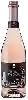
Winery PalazziMonferrato Chiaretto
 Pink wine



This wine generally goes well with pork, poultry or beef.

Wine flavors and olphactive analysis

On the nose the Monferrato Chiaretto of Winery Palazzi in the region of Piedmont often reveals types of flavors of tree fruit, red fruit.
Food and wine pairings with Monferrato Chiaretto
Pairings that work perfectly with Monferrato Chiaretto



Original food and wine pairings with Monferrato Chiaretto



The Monferrato Chiaretto of Winery Palazzi matches generally quite well with dishes of beef, lamb or pork such as recipes of autumn leaves, lamb colombo or eggs in meurette.
Details and technical informations about Winery Palazzi's Monferrato Chiaretto.
Discover the grape variety: Cabernet-Carbon
Colored, fruity reds with a dark ruby robe, smooth tannins and a dense palate, with signature aromas of blackcurrant (Cabernet character), black fruits (blackberry), spices and peppery notes reminiscent of Cabernet Sauvignon. Modern profile for early drinking or short ageing. Grown in Germany, Switzerland and the Benelux for organic vineyards. German black hybrid created in 1983 at Geilweilerhof, disease-resistant (Cabernet Sauvignon × resistant variety).
Last vintages of this wine
The best vintages of Monferrato Chiaretto from Winery Palazzi are 2018, 0, 2019, 2017
Informations about the Winery Palazzi
The Winery Palazzi is one of of the world's greatest estates. It offers 6 wines for sale in the of Piedmont to come and discover on site or to buy online.

The wine region of Piedmont
Kingdom of Nebbiolo: Barolo and Barbaresco DOCG, long-ageing reds with firm tannins and lively acidity, complex aromas of withered rose, sour cherry, tar, truffle and undergrowth. More accessible, tangy Barbera on red fruit, supple, crisp Dolcetto. Sweet, floral sparkling Moscato d'Asti, mineral, lemony Gavi (Cortese) white, round, almondy Arneis from Roero. 50,000 ha across the Langhe, Roero and Monferrato, UNESCO.
The word of the wine: Tense
Said of a lively and nervous wine.