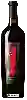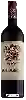
Winery MontoneriSyrah
 Red wine
In the mouth this red wine is a powerful.
This wine generally goes well with beef, lamb or pasta.

Taste structure of the Syrah from the Winery Montoneri
Light | Bold | |
Smooth | Tannic | |
Dry | Sweet | |
Soft | Acidic |
In the mouth the Syrah of Winery Montoneri in the region of Sicily is a powerful.
Food and wine pairings with Syrah
Pairings that work perfectly with Syrah



Original food and wine pairings with Syrah
The Syrah of Winery Montoneri matches generally quite well with dishes of beef, pasta or lamb such as recipes of baked marrow bones, pasta with tuna and tomato or dad's lamb mouse.
Details and technical informations about Winery Montoneri's Syrah.
Discover the grape variety: Hölder
Aromatic, lively whites to drink young, with a pale golden colour, an airy palate with preserved acidity, and signature aromas of citrus (lemon), white flowers, green apple and mineral notes close to Riesling. Distinctive aromatic profile. Grown on a few hectares in Franconia, it remains confidential and is used for typical dry whites. A German white variety bred in 1936 in Würzburg (Riesling × Silvaner), late-ripening.
Informations about the Winery Montoneri
The Winery Montoneri is one of of the world's greatest estates. It offers 8 wines for sale in the of Sicily to come and discover on site or to buy online.

The wine region of Sicily
Major qualitative renewal. Sunny, expressive reds: fleshy, spicy Nero d'Avola (black cherry, blackberry, liquorice), fine, mineral Nerello Mascalese on Etna (recalls Pinot Noir), light, crisp Frappato in Cerasuolo di Vittoria DOCG. Lively, saline whites: Catarratto, fat, iodised Grillo, taut Carricante, floral Inzolia. Amber, walnutty fortified Marsala.
The word of the wine: Naturé
See savagnin.