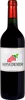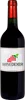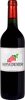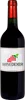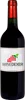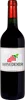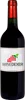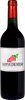
Winery MenhirQuota 13 Malvasia Nera
 Red wine



In the mouth this red wine is a powerful.
This wine generally goes well with beef, lamb or pasta.

Taste structure of the Quota 13 Malvasia Nera from the Winery Menhir
Light | Bold | |
Smooth | Tannic | |
Dry | Sweet | |
Soft | Acidic |
In the mouth the Quota 13 Malvasia Nera of Winery Menhir in the region of Puglia is a powerful.


Food and wine pairings with Quota 13 Malvasia Nera
Pairings that work perfectly with Quota 13 Malvasia Nera



Original food and wine pairings with Quota 13 Malvasia Nera
The Quota 13 Malvasia Nera of Winery Menhir matches generally quite well with dishes of beef, pasta or lamb such as recipes of oxtail and carrot stew, spaghetti neapolitan style or caramelized lamb mice.
Details and technical informations about Winery Menhir's Quota 13 Malvasia Nera.
Discover the grape variety: Villard
Simple whites or reds with a pale golden or deep ruby hue, a supple palate with moderate acidity and understated fruity aromas with discreet hybrid notes. Disease-resistant. Now marginal, they survive in a few heritage plots in France and bear witness to the post-phylloxera hybridisations of the first half of the 20th century. Synonym for the Villard Blanc and Villard Noir varieties, French hybrids obtained by Bertille Seyve in Bourgoin-Jallieu.
Last vintages of this wine
The best vintages of Quota 13 Malvasia Nera from Winery Menhir are 2012, 2017, 2014, 0 and 2015.
Informations about the Winery Menhir
The Winery Menhir is one of of the world's great estates. It offers 68 wines for sale in the of Puglia to come and discover on site or to buy online.

The wine region of Puglia
Heel of the boot, 80% red vineyard, sunny and generous. Fleshy, jammy Primitivo (= Zinfandel) with notes of black cherry, plum, chocolate and spices, powerful alcohol and melted tannins, a star in Primitivo di Manduria. Deep, structured Negroamaro (black-bitter) with a bitter finish in Salice Salentino. Structured Nero di Troia, spicy Susumaniello.
The word of the wine: Crémant
AOC sparkling wine made by traditional method, with specific constraints in the regions of Alsace, Bordeaux, Burgundy, Die, Jura, Limoux and the Loire Valley, as well as in Luxembourg.