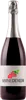
Winery Civ & CivVecchio Ducato Lambrusco di Modena Scuro
 Sparkling wine


This wine generally goes well with pork, poultry or rich fish (salmon, tuna etc).
Food and wine pairings with Vecchio Ducato Lambrusco di Modena Scuro
Pairings that work perfectly with Vecchio Ducato Lambrusco di Modena Scuro



Original food and wine pairings with Vecchio Ducato Lambrusco di Modena Scuro


The Vecchio Ducato Lambrusco di Modena Scuro of Winery Civ & Civ matches generally quite well with dishes of pork, rich fish (salmon, tuna etc) or mature and hard cheese such as recipes of delicious marinated pork chops, tuna and mayonnaise onigiri or goat cheese, walnut and raisin cake.
Details and technical informations about Winery Civ & Civ's Vecchio Ducato Lambrusco di Modena Scuro.
Discover the grape variety: Artaban
Wine grape variety of the INRA-Resdur1 series with polygenic resistance (two genes for mildew and powdery mildew have been identified) resulting from an interspecific cross, obtained in 2000, between Mtp 3082-1-42 (one of its parents is Vitis rotundifolia, which is resistant to Pierce's disease, mildew, grey rot, etc.) and Regent. It is registered in the Official Catalogue of wine grape varieties list A1.
Last vintages of this wine
The best vintages of Vecchio Ducato Lambrusco di Modena Scuro from Winery Civ & Civ are 0
Informations about the Winery Civ & Civ
The Winery Civ & Civ is one of of the world's great estates. It offers 40 wines for sale in the of Emilia-Romagna to come and discover on site or to buy online.

The wine region of Emilia-Romagna
Romagna/emilia">Emilia-Romagna is a Rich and fertile region in Northern Italy, and one of the country's most prolific wine-producing regions, with over 58,000 hectares (143,320 acres) of vines in 2010. It is 240 kilometers (150 miles) wide and stretches across almost the entire northern Italian peninsula, sandwiched between Tuscany to the South, Lombardy and Veneto to the north and the Adriatic Sea to the east. Nine miles of Liguria is all that separates Emilia-Romagna from the Ligurian Sea, and its uniqueness as the only Italian region with both an east and west coast. Emilia-Romagna's wine-growing heritage dates back to the seventh century BC, making it one of the oldest wine-growing regions in Italy.
The word of the wine: Champagne rosé
Often obtained by adding red wines (from Champagne), it is even the only vineyard where this practice is allowed. Some producers prefer the practice used in other regions, i.e. a short maceration to extract sufficient colouring matter. This results in winey rosés for meals. Elegant aperitif rosé is more often made from red wine coloured Chardonnay. Rosés can be vintage or non vintage.