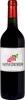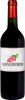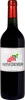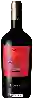
Winery BelliaDe Promisso
 Red wine


In the mouth this red wine is a powerful.
This wine generally goes well with beef, game (deer, venison) or lamb.

Taste structure of the De Promisso from the Winery Bellia
Light | Bold | |
Smooth | Tannic | |
Dry | Sweet | |
Soft | Acidic |
In the mouth the De Promisso of Winery Bellia in the region of Veneto is a powerful.
Food and wine pairings with De Promisso
Pairings that work perfectly with De Promisso



Original food and wine pairings with De Promisso

The De Promisso of Winery Bellia matches generally quite well with dishes of beef, pasta or lamb such as recipes of romazava (madagascar), soy and shrimp noodles or grilled leg of lamb marinated in aromatic oil.
Details and technical informations about Winery Bellia's De Promisso.
Discover the grape variety: Folignan
Simple, lively dry whites with a pale golden robe and a lean, sharp palate, with understated aromas of citrus (lemon), white flowers and herbal notes. Neutral, acidic profile primarily intended for distillation into Cognac and Armagnac. Grown in the Charentes and the Landes; contributes to French eaux-de-vie. French white variety created in 1965 in Montpellier by Paul Truel, crossing of folle blanche and ugni blanc.
Last vintages of this wine
The best vintages of De Promisso from Winery Bellia are 0
Informations about the Winery Bellia
The Winery Bellia is one of of the world's greatest estates. It offers 13 wines for sale in the of Veneto to come and discover on site or to buy online.

The wine region of Veneto
World star of Prosecco: fresh, light Glera sparklers with notes of pear, green apple and white flowers, fruity, convivial bubbles. Veronese reds from Corvina and Rondinella: light, crisp Bardolino, fruity Valpolicella, opulent, concentrated Amarone DOCG (black cherry, chocolate, raisin) from dried grapes. Mineral, almondy Soave (Garganega) whites, fresh Pinot Grigio. 97,500 ha, Italy's largest production.
The word of the wine: Natural sweet wine
Wine obtained by mutage with wine alcohol of the must in the course of fermentation, from the Muscat, Grenache, Macabeu and Malvoisie grape varieties, and corresponding to strict conditions of production, richness and elaboration.