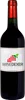
Winery IndianärBäääm Cornalin - Merlot
 Red wine



In the mouth this red wine is a powerful with a nice balance between acidity and tannins.
This wine generally goes well with beef, veal or lamb.

Taste structure of the Bäääm Cornalin - Merlot from the Winery Indianär
Light | Bold | |
Smooth | Tannic | |
Dry | Sweet | |
Soft | Acidic |
In the mouth the Bäääm Cornalin - Merlot of Winery Indianär in the region of Valais is a powerful with a nice balance between acidity and tannins.


Food and wine pairings with Bäääm Cornalin - Merlot
Pairings that work perfectly with Bäääm Cornalin - Merlot



Original food and wine pairings with Bäääm Cornalin - Merlot
The Bäääm Cornalin - Merlot of Winery Indianär matches generally quite well with dishes of beef, lamb or veal such as recipes of pot-au-feu, original mafé with okra or veal saltimbocca.
Details and technical informations about Winery Indianär's Bäääm Cornalin - Merlot.
Discover the grape variety: Merlot
Round and fleshy reds with a velvety texture, showing aromas of ripe plum, black cherry, cocoa and truffle notes with age. Supple tannins, generous alcohol, indulgent finish. Pillar of Libournais (Pomerol with Pétrus, Saint-Émilion with Cheval Blanc and Ausone) and signature of Super Tuscans, Italian Wales and Washington State. A cross of Cabernet Franc × Magdeleine Noire, France's most planted red variety.
Last vintages of this wine
The best vintages of Bäääm Cornalin - Merlot from Winery Indianär are 0
Informations about the Winery Indianär
The Winery Indianär is one of of the world's greatest estates. It offers 6 wines for sale in the of Salgesch to come and discover on site or to buy online.

The wine region of Salgesch
Wine commune of the Upper Valais (Switzerland), nicknamed the "Swiss capital of red wines". Pinot Noir flagship red: fine and silky with signature notes of red cherry, wild strawberry, raspberry, undergrowth, sweet spices and mineral touch, fine tannins and elegant palate — alpine expression. Supple Gamay, dense Cornalina (autochthonous), spicy Humagne rouge. Whites: taut Chasselas (Fendant), mineral and saline Petite Arvine, ancient Heida.
The wine region of Valais
Switzerland's largest vineyard, capital of native grapes. Straight, precise alpine whites: light, floral Chasselas (Fendant), signature Petite Arvine with saline, grapefruit and rhubarb notes, rich, apricoty Amigne, mineral Humagne Blanche. Altitude reds: fine Pinot Noir, crisp Gamay, native Cornalin and Humagne Rouge, spicy and deep. Highly precise alpine age-worthy wines.
The word of the wine: Lemonade maker
Corkscrew of the wine waiter equipped with a small blade allowing to cut the capsule, a worm and a system of rack allowing to extract the cork easily.