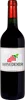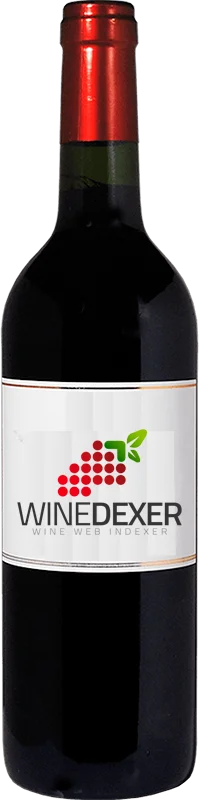
Winery Marchese de PetriVilla Luisa Primitivo
 Red wine



In the mouth this red wine is a powerful.
This wine generally goes well with poultry, beef or lamb.

Taste structure of the Villa Luisa Primitivo from the Winery Marchese de Petri
Light | Bold | |
Smooth | Tannic | |
Dry | Sweet | |
Soft | Acidic |
In the mouth the Villa Luisa Primitivo of Winery Marchese de Petri in the region of Puglia is a powerful.
Food and wine pairings with Villa Luisa Primitivo
Pairings that work perfectly with Villa Luisa Primitivo



Original food and wine pairings with Villa Luisa Primitivo

The Villa Luisa Primitivo of Winery Marchese de Petri matches generally quite well with dishes of beef, pasta or lamb such as recipes of small stuffed fish from nice, pad thai or crusted lamb fillets with sweet spices.
Details and technical informations about Winery Marchese de Petri's Villa Luisa Primitivo.
Discover the grape variety: Primitivo
Powerful, sun-drenched reds with a dark robe and generous alcohol, showing aromas of stewed blackberry, stewed plum, dried fig, chocolate, gentle spice and balsamic notes. Supple tannins, indulgent finish. Star of Puglia with Primitivo di Manduria DOC, Gioia del Colle DOC and Salice Salentino. Identical to American Zinfandel and Croatian Crljenak Kaštelanski by DNA analysis.
Last vintages of this wine
The best vintages of Villa Luisa Primitivo from Winery Marchese de Petri are 2016, 2019, 2018, 2017 and 2014.
Informations about the Winery Marchese de Petri
The Winery Marchese de Petri is one of of the world's greatest estates. It offers 24 wines for sale in the of Puglia to come and discover on site or to buy online.

The wine region of Puglia
Heel of the boot, 80% red vineyard, sunny and generous. Fleshy, jammy Primitivo (= Zinfandel) with notes of black cherry, plum, chocolate and spices, powerful alcohol and melted tannins, a star in Primitivo di Manduria. Deep, structured Negroamaro (black-bitter) with a bitter finish in Salice Salentino. Structured Nero di Troia, spicy Susumaniello.
The word of the wine: Passerillage
Concentration of the grape by drying out, under the influence of wind or sun, as opposed to botrytisation, which is the concentration obtained by the development of the "noble rot" for which Botrytis cinerea is responsible. The word is mainly used for sweet wines.