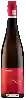
Winery HummelMalscher Rotsteig Cabernet Sauvignon Spätlese Trocken
 Red wine



This wine generally goes well with poultry, beef or lamb.

Food and wine pairings with Malscher Rotsteig Cabernet Sauvignon Spätlese Trocken
Pairings that work perfectly with Malscher Rotsteig Cabernet Sauvignon Spätlese Trocken



Original food and wine pairings with Malscher Rotsteig Cabernet Sauvignon Spätlese Trocken

The Malscher Rotsteig Cabernet Sauvignon Spätlese Trocken of Winery Hummel matches generally quite well with dishes of beef, lamb or spicy food such as recipes of pastasciutta (corsica), original mafé with okra or roast doe in the oven.
Details and technical informations about Winery Hummel's Malscher Rotsteig Cabernet Sauvignon Spätlese Trocken.
Discover the grape variety: Cabernet-Sauvignon
Structured, tannic reds, deeply coloured, with aromas of blackcurrant, blackberry, cedar, tobacco and graphite, underpinned by firm acidity and fine ageing potential. Cornerstone of the great Médoc estates (Pauillac, Saint-Estèphe, Saint-Julien) and signature of Napa Valley, Coonawarra and Maipo. The world's most planted red variety, a natural cross of Cabernet Franc x Sauvignon Blanc born in Bordeaux.
Last vintages of this wine
The best vintages of Malscher Rotsteig Cabernet Sauvignon Spätlese Trocken from Winery Hummel are 0
Informations about the Winery Hummel
The Winery Hummel is one of of the world's great estates. It offers 45 wines for sale in the of Baden to come and discover on site or to buy online.

The wine region of Baden
German capital of Pinot Noir (Spätburgunder): silky, fine reds with notes of red fruits, cherry, undergrowth and sweet spices, melted tannins. Round Grauburgunder (Pinot Gris), lively Weissburgunder, supple Müller-Thurgau, mineral Riesling. Germany's 3rd region (15,000 ha) in Baden-Württemberg facing Alsace, one of the country's warmest climates, volcanic soils at the Kaiserstuhl. Cradle of modern great German reds, elegant and fine.
The word of the wine: Smoked white
See sauvignon.