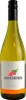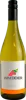
Winery Hubert LaySilvaner Kabinett Trocken
 White wine
In the mouth this white wine is a with a nice freshness.
This wine generally goes well with pork, vegetarian or poultry.

Taste structure of the Silvaner Kabinett Trocken from the Winery Hubert Lay
Light | Bold | |
Dry | Sweet | |
Soft | Acidic |
In the mouth the Silvaner Kabinett Trocken of Winery Hubert Lay in the region of Baden is a with a nice freshness.
Food and wine pairings with Silvaner Kabinett Trocken
Pairings that work perfectly with Silvaner Kabinett Trocken



Original food and wine pairings with Silvaner Kabinett Trocken


The Silvaner Kabinett Trocken of Winery Hubert Lay matches generally quite well with dishes of veal, pork or vegetarian such as recipes of calf sweetbread with mushrooms, chicken in red wine or tuna, pepper and tomato quiche.
Details and technical informations about Winery Hubert Lay's Silvaner Kabinett Trocken.
Discover the grape variety: Dan ben Hannah
Simple, light, fruity reds with a pale ruby colour, silky tannins and an airy palate with moderate acidity. Understated aromas of southern red fruits. Discrete rustic profile. Almost extinct, preserved in INRAE varietal collections; it bears witness to the pre-phylloxera ampelographic diversity of south-east France and is among the heritage varieties studied for their genetic interest. A rare French black grape, once grown in the south-east.
Informations about the Winery Hubert Lay
The Winery Hubert Lay is one of of the world's great estates. It offers 33 wines for sale in the of Baden to come and discover on site or to buy online.

The wine region of Baden
German capital of Pinot Noir (Spätburgunder): silky, fine reds with notes of red fruits, cherry, undergrowth and sweet spices, melted tannins. Round Grauburgunder (Pinot Gris), lively Weissburgunder, supple Müller-Thurgau, mineral Riesling. Germany's 3rd region (15,000 ha) in Baden-Württemberg facing Alsace, one of the country's warmest climates, volcanic soils at the Kaiserstuhl. Cradle of modern great German reds, elegant and fine.
The word of the wine: Disgorging (champagne)
This is the evacuation of the deposit formed by the yeasts during the second fermentation in the bottle, by opening the bottle. The missing volume is completed with the liqueur de dosage - a mixture of wine and cane sugar - before the final cork is placed. For some years now, some producers have been replacing this sugar with rectified concentrated musts (concentrated grape juice) which give excellent results. A too recent dosage (less than three months) harms the gustatory harmony of the champagne.