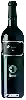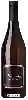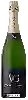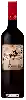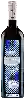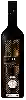
Winery Hispano SuizasBassus Premium
 Red wine


This wine is a blend of 4 varietals which are the Bobal, the Cabernet franc, the Cabernet-Sauvignon and the Merlot.
In the mouth this red wine is a powerful with a nice freshness.
This wine generally goes well with poultry, beef or veal.
The Bassus Premium of the Winery Hispano Suizas is in the top 30 of wines of Valence.

Taste structure of the Bassus Premium from the Winery Hispano Suizas
Light | Bold | |
Smooth | Tannic | |
Dry | Sweet | |
Soft | Acidic |
In the mouth the Bassus Premium of Winery Hispano Suizas in the region of Valence is a powerful with a nice freshness.
Wine flavors and olphactive analysis


On the nose the Bassus Premium of Winery Hispano Suizas in the region of Valence often reveals types of flavors of non oak, oak.
Food and wine pairings with Bassus Premium
Pairings that work perfectly with Bassus Premium



Original food and wine pairings with Bassus Premium

The Bassus Premium of Winery Hispano Suizas matches generally quite well with dishes of beef, pasta or veal such as recipes of steak tartare, smoked salmon pasta gratin or traditional veal stew.
Details and technical informations about Winery Hispano Suizas's Bassus Premium.
Discover the grape variety: Bobal
Intensely coloured, structured reds with an inky robe and tight tannins, featuring aromas of blackberry, black plum, black cherry, spices, liquorice and balsamic notes. High acidity and good ageing potential in old vines. The absolute star of Utiel-Requena DO (Valencia province) where it is experiencing a marked qualitative revival, also made as typey Clarete rosés and modern ageing cuvées. Also in Manchuela DO and Ribera del Júcar DO. Native Levantine grape.
Last vintages of this wine

The best vintages of Bassus Premium from Winery Hispano Suizas are 2010, 2008, 2007, 2012 and 2009.
Informations about the Winery Hispano Suizas
The Winery Hispano Suizas is one of of the world's greatest estates. It offers 13 wines for sale in the of Valence to come and discover on site or to buy online.

The wine region of Valence
Sunny Mediterranean Levant, sun-drenched accessible wines. Monastrell (Mourvèdre) star red in Alicante: fleshy and deep with black fruits, garrigue, leather and spice, firm tannins. Round, fruity Bobal from Utiel-Requena, supple Garnacha, juicy Tempranillo. Fresh whites: light Merseguera, aromatic Moscatel (fresh grape, flowers).
The word of the wine: Extraction
All the methods (pumping over, punching down) that allow the colour and tannins to be extracted from the grape skin during maceration, before fermentation begins. It is also possible to macerate after fermentation, but gently, so as not to extract the tannins from the seeds, which are greener. Because of its solvent power, alcohol favours extraction.