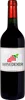
Winery Herrenberg-HonigsäckelTempranillo Aus Versuchsanbau
 Red wine


This wine generally goes well with pork, beef or game (deer, venison).

Food and wine pairings with Tempranillo Aus Versuchsanbau
Pairings that work perfectly with Tempranillo Aus Versuchsanbau



Original food and wine pairings with Tempranillo Aus Versuchsanbau


The Tempranillo Aus Versuchsanbau of Winery Herrenberg-Honigsäckel matches generally quite well with dishes of beef, lamb or pork such as recipes of autumn beef bourguignon, lamb with vermicelli or ham and cheese omelette.
Details and technical informations about Winery Herrenberg-Honigsäckel's Tempranillo Aus Versuchsanbau.
Discover the grape variety: Tempranillo
Elegant, structured reds with aromas of strawberry, cherry, plum, leather, blond tobacco and pronounced vanilla from long oak ageing. Ranges from Joven to Crianza, Reserva and Gran Reserva. Star of Rioja DOCa, Ribera del Duero DO and Toro DO, also shines in the Douro as Tinta Roriz/Aragonez. One of the world's most planted Spanish varieties.
Last vintages of this wine
The best vintages of Tempranillo Aus Versuchsanbau from Winery Herrenberg-Honigsäckel are 0
Informations about the Winery Herrenberg-Honigsäckel
The Winery Herrenberg-Honigsäckel is one of of the world's great estates. It offers 90 wines for sale in the of Pfalz to come and discover on site or to buy online.

The wine region of Pfalz
Fleshy, dry, fruity Riesling is the region's signature: yellow peach, apricot, ripe citrus, lovely mineral tension. Germany's largest red-wine area (40%), with silky Spätburgunder showing red fruit and spice, darker structured Dornfelder, supple Portugieser. Some rounded Pinot Blanc and Pinot Gris. A 23,640 ha vineyard along the Haardt, among Germany's warmest (>2,000 h of sun).
The word of the wine: Performance
Quantity of grapes harvested per hectare. In AOC, the average yield is limited on the proposal of the appellation syndicate, validated by the Inao. The use of high-performance plant material (especially clones) and better control of vine diseases have increased yields. This is not without consequences on the quality of the wines (dilution) and on the state of the market (too much wine). We must not over-simplify: low yields are not synonymous with quality, and it is often in years with generous harvests that we find the greatest vintages (1982 and 1986 in Bordeaux, 1996 in Champagne, 1990 and 2005 in Burgundy...).