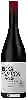
Winery MingorraImaginem
 Red wine



In the mouth this red wine is a powerful with a nice freshness.
This wine generally goes well with poultry, beef or veal.

Taste structure of the Imaginem from the Winery Mingorra
Light | Bold | |
Smooth | Tannic | |
Dry | Sweet | |
Soft | Acidic |
In the mouth the Imaginem of Winery Mingorra in the region of Alentejano is a powerful with a nice freshness.
Wine flavors and olphactive analysis

Food and wine pairings with Imaginem
Pairings that work perfectly with Imaginem



Original food and wine pairings with Imaginem

The Imaginem of Winery Mingorra matches generally quite well with dishes of beef, pasta or veal such as recipes of roasted fillet of beef with parsley, pad thai or braised veal heart with carrots.
Details and technical informations about Winery Mingorra's Imaginem.
Discover the grape variety: Abouriou
Supple, fruity reds with a deep purple robe, smooth tannins and moderate acidity, showing aromas of red and black fruits (cherry, blackberry, plum), sweet spices and floral notes. Round, approachable young, easy-drinking wines. Star of Côtes du Marmandais AOC, identity pillar of the appellation alongside cabernet and merlot, also present in Buzet AOC and Fronton AOC. Autochthonous South-West variety from Lot-et-Garonne, rediscovered in the 19th century.
Last vintages of this wine
The best vintages of Imaginem from Winery Mingorra are 0, 2011
Informations about the Winery Mingorra
The Winery Mingorra is one of of the world's great estates. It offers 37 wines for sale in the of Alentejano to come and discover on site or to buy online.

The wine region of Alentejano
Star of southern Portugal's great reds, sunny and opulent wines. Typical blends: round fruity Aragonez (Tempranillo), spicy Trincadeira, Touriga Nacional (black fruits, violet), deep teinturier Alicante Bouschet, juicy Castelão. Fleshy reds with notes of plum, black cherry, cocoa and sweet spices, melted tannins. Ample fresh Antão Vaz and Arinto whites.
The word of the wine: Filling
Gentle transfer from one barrel to another to oxygenate the wine, eliminate some of the lees and reduce the carbon dioxide (fizz) that was released during the fermentations.