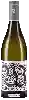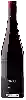
Winery HenselSpätburgunder Trocken
 Red wine



In the mouth this red wine is a with a nice freshness.
This wine generally goes well with poultry, beef or veal.

Taste structure of the Spätburgunder Trocken from the Winery Hensel
Light | Bold | |
Smooth | Tannic | |
Dry | Sweet | |
Soft | Acidic |
In the mouth the Spätburgunder Trocken of Winery Hensel in the region of Pfalz is a with a nice freshness.
Food and wine pairings with Spätburgunder Trocken
Pairings that work perfectly with Spätburgunder Trocken



Original food and wine pairings with Spätburgunder Trocken

The Spätburgunder Trocken of Winery Hensel matches generally quite well with dishes of beef, veal or game (deer, venison) such as recipes of monkfish tagine, puchero or turnip confit with parma cheese.
Details and technical informations about Winery Hensel's Spätburgunder Trocken.
Discover the grape variety: Mollard
Light, fruity reds with a clear ruby color, supple tannins and an airy palate, offering delicate aromas of red fruits (raspberry, cherry, strawberry), alpine spices, mountain herbs and floral notes. A high-altitude airy profile. Very rare variety, preserved by a few artisan winemakers for its heritage value, in confidential altitude cuvées. Grown in IGP Hautes-Alpes around Embrun. French indigenous variety from the Hautes-Alpes, an alpine signature.
Last vintages of this wine
The best vintages of Spätburgunder Trocken from Winery Hensel are 0
Informations about the Winery Hensel
The Winery Hensel is one of of the world's great estates. It offers 55 wines for sale in the of Pfalz to come and discover on site or to buy online.

The wine region of Pfalz
Fleshy, dry, fruity Riesling is the region's signature: yellow peach, apricot, ripe citrus, lovely mineral tension. Germany's largest red-wine area (40%), with silky Spätburgunder showing red fruit and spice, darker structured Dornfelder, supple Portugieser. Some rounded Pinot Blanc and Pinot Gris. A 23,640 ha vineyard along the Haardt, among Germany's warmest (>2,000 h of sun).
The word of the wine: Muscat blanc à petits grains
A white grape variety cultivated since antiquity on the shores of the Mediterranean, it is considered the noblest of the muscats. It is mainly used to make sweet wines, often from mutage. In France, it is the sole variety used in many natural sweet wines: muscat-de-frontignan, muscat-de-mireval, muscat-de-lunel, muscat-de-saint-jean-de-minervois, muscat-de-beaumes-de-venise, muscat-du-cap-corse. Combined with Muscat d'Alexandrie, it gives Muscat-de-Rivesaltes. It is also used to make sparkling white wines (clairette-de-die; moscato d'asti and asti spumante in Italy) and dry wines (alsace-muscat). Powerfully aromatic and complex, its wines evoke fresh grapes, roses, exotic fruits, citrus fruits and spices.