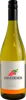
Winery Henrik MöbitzWeissburgunder
 White wine


In the mouth this white wine is a with a nice freshness.
This wine generally goes well with rich fish (salmon, tuna etc), shellfish or mild and soft cheese.
Taste structure of the Weissburgunder from the Winery Henrik Möbitz
Light | Bold | |
Dry | Sweet | |
Soft | Acidic |
In the mouth the Weissburgunder of Winery Henrik Möbitz in the region of Baden is a with a nice freshness.
Food and wine pairings with Weissburgunder
Pairings that work perfectly with Weissburgunder



Original food and wine pairings with Weissburgunder

The Weissburgunder of Winery Henrik Möbitz matches generally quite well with dishes of rich fish (salmon, tuna etc), shellfish or mild and soft cheese such as recipes of baked mackerel, tagliatelle with shrimps or pizza with peppers.
Details and technical informations about Winery Henrik Möbitz's Weissburgunder.
Discover the grape variety: Ribolla gialla
A very old grape variety that has been cultivated for a long time in Italy, more precisely in the Friuli region. It can also be found in Slovenia, Greece (island of Cephalonia), in the United States (California), ... and it should not be confused with the robola or rombola aspri cultivated in Greece (Ionian islands).
Last vintages of this wine
The best vintages of Weissburgunder from Winery Henrik Möbitz are 0
Informations about the Winery Henrik Möbitz
The Winery Henrik Möbitz is one of of the world's greatest estates. It offers 9 wines for sale in the of Baden to come and discover on site or to buy online.

The wine region of Baden
Baden is the southernmost of Germany's 13 official wine regions. It is also the warmest. Its relatively sunny, DryClimate permits the production of good-quality Spätburgunder (Pinot Noir) and ripe, relatively Full-bodied">Full-bodied examples of Grauburgunder (Pinot Gris) and Weissburgunder (Pinot Blanc). These are often made in oaked styles.
The word of the wine: Passerillage
Concentration of the grape by drying out, under the influence of wind or sun, as opposed to botrytisation, which is the concentration obtained by the development of the "noble rot" for which Botrytis cinerea is responsible. The word is mainly used for sweet wines.