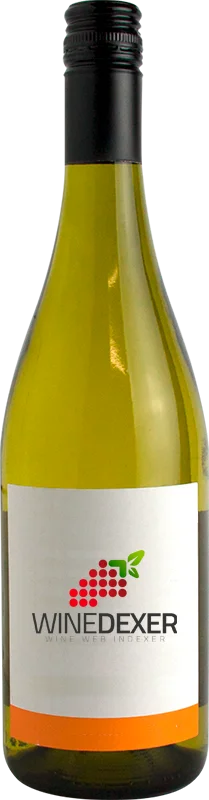
Winery Henri ChouteauLes As de Lucas Sauvignon Blanc
 White wine
This wine generally goes well with vegetarian, poultry or lean fish.

Food and wine pairings with Les As de Lucas Sauvignon Blanc
Pairings that work perfectly with Les As de Lucas Sauvignon Blanc



Original food and wine pairings with Les As de Lucas Sauvignon Blanc


The Les As de Lucas Sauvignon Blanc of Winery Henri Chouteau matches generally quite well with dishes of rich fish (salmon, tuna etc), shellfish or vegetarian such as recipes of salmon pizza, pageot or vegan leek and tofu quiche.
Details and technical informations about Winery Henri Chouteau's Les As de Lucas Sauvignon Blanc.
Discover the grape variety: Petite Arvine
Structured, aromatic dry and sweet whites with a pale golden color, ample palate and preserved acidity, with signature aromas of citrus (grapefruit), rhubarb, white flowers (wisteria), exotic fruits (passion fruit) and characteristic saline notes on the finish. Fine cellaring potential, dry and late-harvest styles. Star of great Valais whites (Vétroz, Sion, Fully, Chamoson). Swiss indigenous variety from the Valais.
Informations about the Winery Henri Chouteau
The Winery Henri Chouteau is one of of the world's greatest estates. It offers 5 wines for sale in the of Comté Tolosan to come and discover on site or to buy online.

The wine region of Comté Tolosan
IGP covering all of southwest France across 12 departments, a broad and accessible palette. On the Garonne right bank, supple reds dominate: signature Merlot with signature notes of plum, ripe cherry, cocoa and a herbaceous touch, round tannins. Firm Cabernet, spicy Syrah, tannic local Tannat. Left bank for whites: vivid Colombard and Gros Manseng (citrus, grapefruit, exotic fruits), aromatic Sauvignon.
The word of the wine: Destemming
Action consisting in separating the grapes from the stalk before vinification. The stalk, the woody part of the bunch, may give the wine an unpleasant vegetal character.







