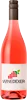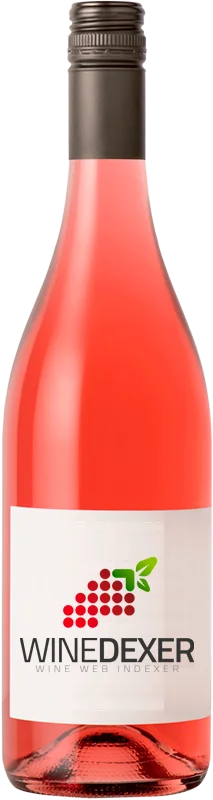
Winery HaweskoWunderschon Rosé
 Pink wine
This wine generally goes well with pork, vegetarian or rich fish (salmon, tuna etc).

Food and wine pairings with Wunderschon Rosé
Pairings that work perfectly with Wunderschon Rosé



Original food and wine pairings with Wunderschon Rosé


The Wunderschon Rosé of Winery Hawesko matches generally quite well with dishes of pork, rich fish (salmon, tuna etc) or mature and hard cheese such as recipes of ham and cheese macaroni gratin, salmon steak on a bed of leeks or comté cheese and cream soufflé.
Details and technical informations about Winery Hawesko's Wunderschon Rosé.
Discover the grape variety: Plavac mali
Powerful and alcoholic reds with an inky colour, firm tannins and a dense palate, on intense aromas of blackberry, candied plum, fig, Mediterranean garrigue (bay, rosemary), spices and balsamic notes. Excellent ageing potential. Star of the Dalmatian appellations Dingač and Postup on the vertiginous slopes of the Pelješac peninsula, also in Hvar and Brač. Native Croatian variety, a natural offspring of Crljenak Kaštelanski (ancestor of Zinfandel) × Dobričić.
Informations about the Winery Hawesko
The Winery Hawesko is one of of the world's great estates. It offers 41 wines for sale in the of Rheinhessen to come and discover on site or to buy online.

The wine region of Rheinhessen
71% white region: Riesling is king (5,000 ha), dry to off-dry, ripe yellow fruit, apple, citrus and fine saline minerality. Supple, floral Müller-Thurgau for everyday, the world's largest Silvaner plantation with herbaceous, straight notes. Historic cradle of off-sweet Liebfraumilch. Some supple reds (Dornfelder, Spätburgunder).
The word of the wine: Apyrene
Seedless grape.