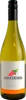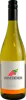
Winery HabachtGruner Veltliner
 White wine
In the mouth this white wine is a with a nice freshness.
This wine generally goes well with pork, vegetarian or poultry.
Taste structure of the Gruner Veltliner from the Winery Habacht
Light | Bold | |
Dry | Sweet | |
Soft | Acidic |
In the mouth the Gruner Veltliner of Winery Habacht in the region of Weinland is a with a nice freshness.
Food and wine pairings with Gruner Veltliner
Pairings that work perfectly with Gruner Veltliner



Original food and wine pairings with Gruner Veltliner


The Gruner Veltliner of Winery Habacht matches generally quite well with dishes of pork, vegetarian or poultry such as recipes of moist parmesan steak, quiche with bacon and gruyère cheese or aïoli.
Details and technical informations about Winery Habacht's Gruner Veltliner.
Discover the grape variety: Vilana
A very old grape variety grown in Greece - one of the main ones - most often at high altitude, it is said to have originated on the island of Crete. It can also be found in Italy, but is practically unknown in France. D.N.A. analyses have shown that it is related to Thrapsthiri and Vidiano.
Informations about the Winery Habacht
The Winery Habacht is one of of the world's greatest estates. It offers 1 wines for sale in the of Wagram to come and discover on site or to buy online.

The wine region of Wagram
The wine region of Wagram is located in the region of Niederösterreich of Weinland of Austria. We currently count 93 estates and châteaux in the of Wagram, producing 680 different wines in conventional, organic and biodynamic agriculture. The wines of Wagram go well with generally quite well with dishes .
The wine region of Weinland
Weinviertel DAC – whose name translates as "wine quarter" – is an appellation in Niederösterreich (Lower Austria). It is by far the largest Districtus Austriae Controllatus wine region in Austria. It was also the first Austrian wine region to be given that title, in 2002, with a DAC Reserve designation added in 2009. The designation applies only to white wines from the Grüner Veltliner Grape variety.
The word of the wine: Brut nature (or ultra brut)
A type of champagne that has not received any dosage liqueur.