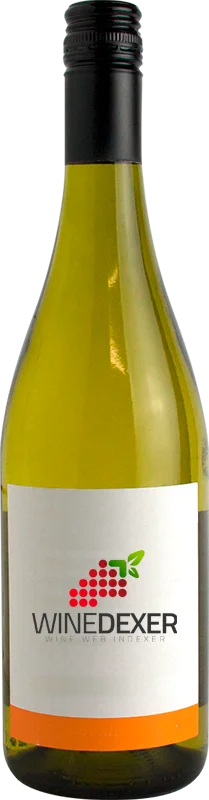
Winery Sylvain SallanMuscat de Rivesaltes Doux Natuel
 Natural sweet wine
This wine generally goes well with spicy food and sweet desserts.

Food and wine pairings with Muscat de Rivesaltes Doux Natuel
Pairings that work perfectly with Muscat de Rivesaltes Doux Natuel


Original food and wine pairings with Muscat de Rivesaltes Doux Natuel
The Muscat de Rivesaltes Doux Natuel of Winery Sylvain Sallan matches generally quite well with dishes of spicy food or sweet desserts such as recipes of chicken curry samoussas or the coughing cat's apple crumble.
Details and technical informations about Winery Sylvain Sallan's Muscat de Rivesaltes Doux Natuel.
Discover the grape variety: Norton
Structured, colourful reds with a deep purple hue, firm tannins and a dense palate with fresh acidity; signature aromas of dark fruits (blackberry, blackcurrant), plum, spices, chocolate and American earthy notes. Good rustic ageing potential. The grape of Missouri, defining regional identity, widely grown across the USA (Virginia, Arkansas). American black hybrid derived from Vitis aestivalis, discovered around 1820 by Dr Daniel Norton in Virginia.
Informations about the Winery Sylvain Sallan
The Winery Sylvain Sallan is one of of the world's greatest estates. It offers 5 wines for sale in the of Muscat de Rivesaltes to come and discover on site or to buy online.

The wine region of Muscat de Rivesaltes
Star AOC of Roussillon's Vins Doux Naturels: Muscat a Petits Grains and Muscat of Alexandria as signatures in equal parts in sweet whites — pale gold robe with green or pinkish glints, dazzling signature aromas of peach, lemon, mango, fresh grape, rose and mint, unctuous palate preserved by mutage with alcohol. Amber evolution with age toward honey, candied apricot and spices. AOC, ~4,400 ha across 99 communes, varied soils (granite, schist, limestone), Mediterranean and Muscat de Noel.
The wine region of Languedoc-Roussillon
Largest single French vineyard, dominated by sunny, generous reds. Spicy Syrah, candied Grenache (ripe fruit, garrigue), structured Carignan, deep Mourvèdre, supple Cinsault. Stars: structured Corbières, Minervois, Faugères, Saint-Chinian; round Côtes-du-Roussillon. Legendary vins doux naturels: Banyuls and Maury (fortified Grenache) with notes of cocoa, fig, prune.
The word of the wine: Vinosity
When tasting a red wine, a pleasant sensation on the palate with a fruity and sappy character in harmony with a caressing and persistent presence of tannins.