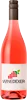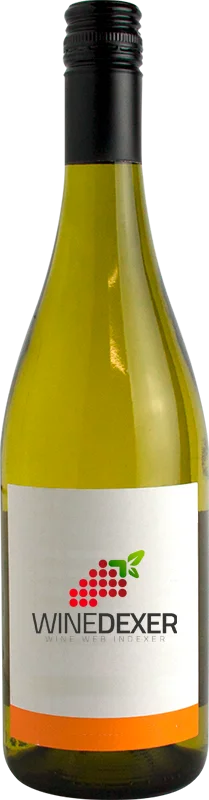
Winery Гусевъ (Gusev)Шардоне (Chardonnay)
 White wine



This wine generally goes well with pork, vegetarian or poultry.
The Шардоне (Chardonnay) of the Winery Гусевъ (Gusev) is in the top 40 of wines of Lower Volga.

Food and wine pairings with Шардоне (Chardonnay)
Pairings that work perfectly with Шардоне (Chardonnay)



Original food and wine pairings with Шардоне (Chardonnay)

The Шардоне (Chardonnay) of Winery Гусевъ (Gusev) matches generally quite well with dishes of pork, rich fish (salmon, tuna etc) or vegetarian such as recipes of baked dumplings, salmon and spinach lasagna or zucchini and goat cheese quiche.
Details and technical informations about Winery Гусевъ (Gusev)'s Шардоне (Chardonnay).
Discover the grape variety: Chardonnay
Whites with many faces: mineral and taut at Chablis (lemon, green apple, flint), opulent and buttery at Meursault and Puligny-Montrachet (hazelnut, brioche, yellow fruits), tense and chalky in Champagne (Blanc de Blancs). Also vinified sparkling and widely exported (Sonoma, Margaret River, Casablanca). A Burgundian variety, a cross of Pinot Noir × Gouais Blanc, half-sibling of Aligoté.
Last vintages of this wine
The best vintages of Шардоне (Chardonnay) from Winery Гусевъ (Gusev) are 2019, 0
Informations about the Winery Гусевъ (Gusev)
The Winery Гусевъ (Gusev) is one of of the world's great estates. It offers 16 wines for sale in the of Lower Volga to come and discover on site or to buy online.

The wine region of Lower Volga
Russian vineyard along the lower Volga (from the Caspian delta to Volgograd), harsh continental climate requiring winter earthing-up of vines, sandy and loamy soils. Rkatsiteli (imported from Georgia, >1/3 of plantings) is the signature white: dry and crisp with citrus, green apple, white flowers, herbs and a mineral edge, taut acidity. Aligoté and Riesling also produced. Cold-resistant hybrids planted widely.
The word of the wine: Sweet (flavor)
The flavour provided by the residual sugars naturally present in the wine as well as by certain alcohols. This sensation can range from a simple impression of smoothness to a clear sweetness. We speak of roundness, fatness and mellowness.