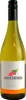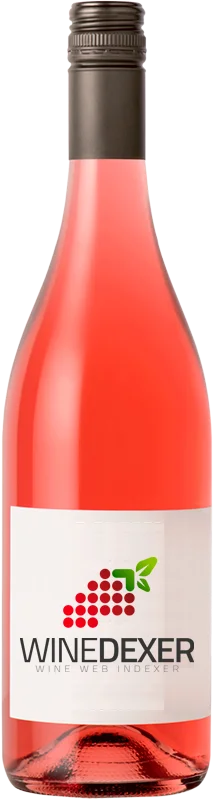
Domaine Guillaume ArmandClos Vacquerolles Rosé
 Pink wine
This wine generally goes well with vegetarian, appetizers and snacks or lean fish.

Food and wine pairings with Clos Vacquerolles Rosé
Pairings that work perfectly with Clos Vacquerolles Rosé



Original food and wine pairings with Clos Vacquerolles Rosé


The Clos Vacquerolles Rosé of Domaine Guillaume Armand matches generally quite well with dishes of pasta, vegetarian or appetizers and snacks such as recipes of special' tagliatelle carbonara, quiche with bacon and gruyère cheese or avocado verrine and quick.
Details and technical informations about Domaine Guillaume Armand's Clos Vacquerolles Rosé.
Discover the grape variety: Macabeu
Lively, structured dry whites with a pale golden robe, a taut palate with preserved acidity, and signature aromas of citrus (lemon, grapefruit), white flowers (acacia) and anise notes. Also sparkling (essential component of Cava DO). Grown in Roussillon, Catalonia and Rioja, a pillar of great Riojan and Roussillon whites. Native white grape of Aragon (also known as Viura, Macabeo).
Informations about the Domaine Guillaume Armand
The Domaine Guillaume Armand is one of wineries to follow in Languedoc-Roussillon.. It offers 9 wines for sale in the of Languedoc-Roussillon to come and discover on site or to buy online.

The wine region of Languedoc-Roussillon
Largest single French vineyard, dominated by sunny, generous reds. Spicy Syrah, candied Grenache (ripe fruit, garrigue), structured Carignan, deep Mourvèdre, supple Cinsault. Stars: structured Corbières, Minervois, Faugères, Saint-Chinian; round Côtes-du-Roussillon. Legendary vins doux naturels: Banyuls and Maury (fortified Grenache) with notes of cocoa, fig, prune.
The word of the wine: Organic (agriculture)
A type of agriculture (and therefore viticulture) based on respect for living organisms and biological cycles, and which excludes the use of synthetic treatment products and synthetic fertilizers. Organic farming is guaranteed by the respect of a set of specifications.