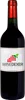
Winery Grandi MoriPinot Grigio
 White wine



In the mouth this white wine is a .
This wine generally goes well with vegetarian, shellfish or mushrooms.
Taste structure of the Pinot Grigio from the Winery Grandi Mori
Light | Bold | |
Dry | Sweet | |
Soft | Acidic |
In the mouth the Pinot Grigio of Winery Grandi Mori in the region of Veneto is a .
Food and wine pairings with Pinot Grigio
Pairings that work perfectly with Pinot Grigio



Original food and wine pairings with Pinot Grigio

The Pinot Grigio of Winery Grandi Mori matches generally quite well with dishes of shellfish, vegetarian or mushrooms such as recipes of shrimp and zucchini with curry and coconut milk, cream and tuna quiche or roast beef in a crust.
Details and technical informations about Winery Grandi Mori's Pinot Grigio.
Discover the grape variety: Ohanès
This variety is known in Spain, Portugal, Italy, Greece, Morocco, South Africa, the United States (California), Argentina, Chile, etc. In France, it is little cultivated because of its late maturity. - Synonyms: oanez or ohanez, uva de Almeria, uva del barco, santa paula, not to be confused with the white gherkin, khaen, grumer negro, valenci or valensi, which is not related to the black valensi (for all the synonyms of the grape varieties, click here!)
Last vintages of this wine
The best vintages of Pinot Grigio from Winery Grandi Mori are 2015, 2014, 0, 2016
Informations about the Winery Grandi Mori
The Winery Grandi Mori is one of of the world's greatest estates. It offers 17 wines for sale in the of Veneto to come and discover on site or to buy online.

The wine region of Veneto
Veneto is an important and growing wine region in northeastern Italy. Veneto is administratively Part of the Triveneto area, aLong with its smaller neighbors, Trentino-Alto Adige and Friuli-Venezia Giulia. In terms of geography, culture and wine styles, it represents a transition from the Alpine and Germanic-Slavic end of Italy to the warmer, drier, more Roman lands to the South. Veneto is slightly smaller than the other major Italian wine regions - Piedmont, Tuscany, Lombardy, Puglia and Sicily - but it produces more wine than any of them.
The word of the wine: Thinning
Also known as green harvesting, the practice of removing excess bunches of grapes from certain vines, usually in July, but sometimes later. This is often necessary, but not always a good thing, as the remaining bunches often gain weight.