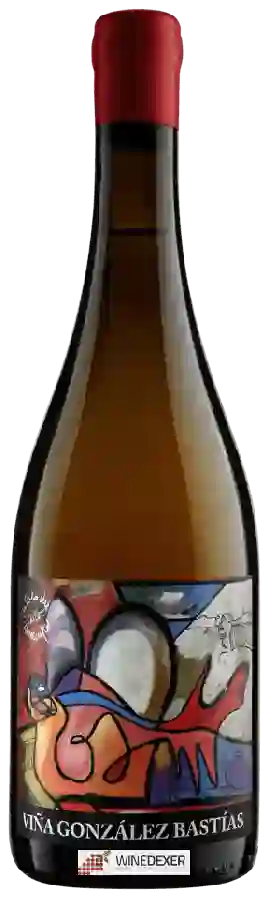
Winery Viña González BastíasNaranjo
 White wine


This wine generally goes well with sweet desserts
The Naranjo of the Winery Viña González Bastías is in the top 60 of wines of Maule Valley.

Wine flavors and olphactive analysis





On the nose the Naranjo of Winery Viña González Bastías in the region of Central Valley often reveals types of flavors of earth, microbio or vegetal and sometimes also flavors of tree fruit, spices or citrus fruit.
Food and wine pairings with Naranjo
Pairings that work perfectly with Naranjo

Original food and wine pairings with Naranjo
The Naranjo of Winery Viña González Bastías matches generally quite well with dishes of sweet desserts such as recipes of real chocolate cake.
Details and technical informations about Winery Viña González Bastías's Naranjo.
Discover the grape variety: Piquepoul gris
Lively, citrusy whites and pale rosés with a salmon-pale hue, light palate and preserved acidity, showing aromas of citrus (lemon, grapefruit), white flowers and saline mineral notes. Tense, iodine-tinged southern profile. Rarer than Picpoul blanc, it contributes in small quantities to certain Languedoc blends and is attracting renewed interest. Grey-skinned mutation of Picpoul, grown in the Languedoc and southern Rhône.
Last vintages of this wine

The best vintages of Naranjo from Winery Viña González Bastías are 2019, 0, 2018, 2017 and 2016.
Informations about the Winery Viña González Bastías
The Winery Viña González Bastías is one of of the world's greatest estates. It offers 5 wines for sale in the of Maule Valley to come and discover on site or to buy online.

The wine region of Maule Valley
Historic cradle of Chilean viticulture (16th century). Quality revival around old-vine Carignan (70+ years): dense, deep reds with notes of blackberry, candied plum, spices and fine tannins, a unique expression. Sturdy Cabernet Sauvignon, supple Carménère (ripe pepper, black fruits), juicy Côt (Malbec), round Merlot. Some sharp Sauvignon Blanc.
The wine region of Central Valley
Heart of modern Chilean wine: structured, sunny reds, dense, blackcurranty Cabernet Sauvignon from Maipo (Chilean cradle of the grape), signature Carménère with notes of ripe pepper, black fruit and sweet spices from Colchagua, supple Merlot and deep Syrah. Round Chardonnay whites and lively, sharp Sauvignon. Mediterranean climate, 400 km between Andes and Pacific. Star sub-regions: Maipo, Cachapoal, Colchagua, Curicó, Maule.
The word of the wine: Juice
The juice of wine grapes (intended for wine making) is colourless. It is the anthocyanins contained in the grape skin that colour the juice during maceration.