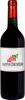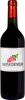
Winery Ginesa ReservasViña Ginesa Seco
 Red wine


In the mouth this red wine is a powerful with a lot of tannins present in the mouth.
This wine generally goes well with poultry, beef or veal.

Taste structure of the Viña Ginesa Seco from the Winery Ginesa Reservas
Light | Bold | |
Smooth | Tannic | |
Dry | Sweet | |
Soft | Acidic |
In the mouth the Viña Ginesa Seco of Winery Ginesa Reservas in the region of Vinos de Pago is a powerful with a lot of tannins present in the mouth.
Food and wine pairings with Viña Ginesa Seco
Pairings that work perfectly with Viña Ginesa Seco



Original food and wine pairings with Viña Ginesa Seco

The Viña Ginesa Seco of Winery Ginesa Reservas matches generally quite well with dishes of beef, lamb or veal such as recipes of beef with onions chinese style, mediterranean lamb necklace or bites of cheese.
Details and technical informations about Winery Ginesa Reservas's Viña Ginesa Seco.
Discover the grape variety: Groppello di Mocasina
Light and fruity reds for early drinking, clear ruby colour, soft tannins and lively mouth with vivid acidity, with signature aromas of cherry, strawberry, sweet spices and floral notes. Also used for rosé Chiaretto. Blended in Garda Classico DOC and Valtènesi DOC. Autochthonous Lombard variety grown near Lake Garda.
Last vintages of this wine
The best vintages of Viña Ginesa Seco from Winery Ginesa Reservas are 0
Informations about the Winery Ginesa Reservas
The Winery Ginesa Reservas is one of of the world's great estates. It offers 35 wines for sale in the of Vinos de Pago to come and discover on site or to buy online.

The wine region of Vinos de Pago
Top of the Spanish quality pyramid (above DOCa and DO), reserved for 25 exceptional estates. Estate wines, grapes and vinification exclusively on site, 10 years of track record. All styles: concentrated, barrel-aged Cabernet, Syrah and Tempranillo reds (Dominio de Valdepusa, Arínzano, Pago de Otazu), maker's blends, a few ambitious whites. Great stylistic freedom.
The word of the wine: Tanin
A natural compound contained in the skin of the grape, the seed or the woody part of the bunch, the stalk. The maceration of red wines allows the extraction of tannins, which give the texture, the solidity and also the mellowness when the tannins are "ripe". The winemaker seeks above all to extract the tannins from the skin, the ripest and most noble. The tannins of the seed or stalk, which are "greener", especially in average years, give the wine hardness and astringency. The wines of Bordeaux (based on Cabernet and Merlot) are full of tannins, those of Burgundy much less so, with Pinot Noir containing little.