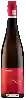
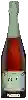
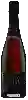
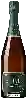
Winery GeldermannSekt Rosé
 Sparkling wine



This wine is composed of 100% of the grape variety Pinot Noir.
This wine generally goes well with pork, vegetarian or poultry.
Wine flavors and olphactive analysis


On the nose the Sekt Rosé of Winery Geldermann in the region of Baden often reveals types of flavors of tree fruit, citrus fruit or red fruit.
Food and wine pairings with Sekt Rosé
Pairings that work perfectly with Sekt Rosé



Original food and wine pairings with Sekt Rosé

The Sekt Rosé of Winery Geldermann matches generally quite well with dishes of pork, rich fish (salmon, tuna etc) or vegetarian such as recipes of sauté of pork with cider, sophie's tuna cake or light tuna-tomato quiche (without cream).
Details and technical informations about Winery Geldermann's Sekt Rosé.
Discover the grape variety: Chardonnay
The white Chardonnay is a grape variety that originated in France (Burgundy). It produces a variety of grape specially used for wine making. It is rare to find this grape to eat on our tables. This variety of grape is characterized by small bunches, and small grapes. White Chardonnay can be found in many vineyards: South West, Burgundy, Jura, Languedoc & Roussillon, Cognac, Bordeaux, Beaujolais, Savoie & Bugey, Loire Valley, Champagne, Rhone Valley, Armagnac, Lorraine, Alsace, Provence & Corsica.
Last vintages of this wine
The best vintages of Sekt Rosé from Winery Geldermann are 0
Informations about the Winery Geldermann
The Winery Geldermann is one of of the world's greatest estates. It offers 27 wines for sale in the of Baden to come and discover on site or to buy online.

The wine region of Baden
Baden is the southernmost of Germany's 13 official wine regions. It is also the warmest. Its relatively sunny, DryClimate permits the production of good-quality Spätburgunder (Pinot Noir) and ripe, relatively Full-bodied">Full-bodied examples of Grauburgunder (Pinot Gris) and Weissburgunder (Pinot Blanc). These are often made in oaked styles.
The word of the wine: Acidity
When present without excess, acidity contributes to the balance of the wine, giving it freshness and nervousness. But when it is very high, it becomes a defect, giving it a biting and green character. On the other hand, if it is insufficient, the wine is soft.