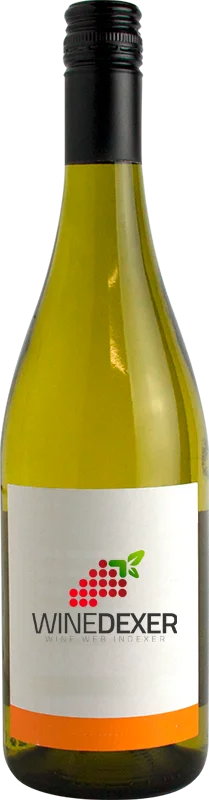
Château GauthierEmile Bertaud Cuvée 1919 Côtes de Bourg
 White wine
This wine generally goes well with rich fish (salmon, tuna etc), shellfish or mild and soft cheese.
Food and wine pairings with Emile Bertaud Cuvée 1919 Côtes de Bourg
Pairings that work perfectly with Emile Bertaud Cuvée 1919 Côtes de Bourg



Original food and wine pairings with Emile Bertaud Cuvée 1919 Côtes de Bourg


The Emile Bertaud Cuvée 1919 Côtes de Bourg of Château Gauthier matches generally quite well with dishes of beef, veal or game (deer, venison) such as recipes of roast beef with garlic, stuffed red mullet ballotines or duck breast with black figs.
Details and technical informations about Château Gauthier's Emile Bertaud Cuvée 1919 Côtes de Bourg.
Discover the grape variety: Montepulciano
A very old grape variety, most likely originating in Italy, now cultivated mainly in the central and central-eastern parts of this country, registered in France in the Official Catalogue of wine grape varieties, list A1. Montepulciano has long been confused with sangiovese or nielluccio, an A.D.N. analysis has shown that it is different.
Informations about the Château Gauthier
The Château Gauthier is one of wineries to follow in Côtes de Bourg.. It offers 5 wines for sale in the of Côtes de Bourg to come and discover on site or to buy online.

The wine region of Côtes de Bourg
The wine region of Côtes de Bourg is located in the region of Côtes de Bordeaux of Bordeaux of France. Wineries and vineyards like the Domaine Roc de Cambes or the Château Tayac produce mainly wines red and white. The most planted grape varieties in the region of Côtes de Bourg are Merlot, Cabernet-Sauvignon and Cabernet franc, they are then used in wines in blends or as a single variety. On the nose of Côtes de Bourg often reveals types of flavors of oak, sweet tobacco or pineapple and sometimes also flavors of cigar, ripe blackberries or bell pepper.
The wine region of Bordeaux
Bordeaux, in southwestern France, is one of the most famous, prestigious and prolific wine regions in the world. The majority of Bordeaux wines (nearly 90% of the production Volume) are the Dry, medium and Full-bodied red Bordeaux blends for which it is famous. The finest (and most expensive) are the wines of the great châteaux of Haut-Médoc and the right bank appellations of Saint-Émilion and Pomerol. The former focuses (at the highest level) on Cabernet Sauvignon, the latter on Merlot.
The word of the wine: Mineral
Taste reminiscent of gunflint, chalk and many nuances of the mineral world, and reinforcing, especially in white wines, the notion of freshness and the sappy character.