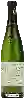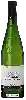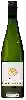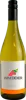
Winery Gaujal de Saint BonCuvée Lou Peyrette Picpoul de Pinet
 White wine



In the mouth this white wine is a .
This wine generally goes well with vegetarian, poultry or lean fish.
The Cuvée Lou Peyrette Picpoul de Pinet of the Winery Gaujal de Saint Bon is in the top 30 of wines of Picpoul de Pinet.
Taste structure of the Cuvée Lou Peyrette Picpoul de Pinet from the Winery Gaujal de Saint Bon
Light | Bold | |
Dry | Sweet | |
Soft | Acidic |
In the mouth the Cuvée Lou Peyrette Picpoul de Pinet of Winery Gaujal de Saint Bon in the region of Languedoc-Roussillon is a .
Food and wine pairings with Cuvée Lou Peyrette Picpoul de Pinet
Pairings that work perfectly with Cuvée Lou Peyrette Picpoul de Pinet



Original food and wine pairings with Cuvée Lou Peyrette Picpoul de Pinet


The Cuvée Lou Peyrette Picpoul de Pinet of Winery Gaujal de Saint Bon matches generally quite well with dishes of pasta, vegetarian or poultry such as recipes of tagliatelle with shrimps, light tuna-tomato quiche (without cream) or coconut chicken à la bellevilloise.
Details and technical informations about Winery Gaujal de Saint Bon's Cuvée Lou Peyrette Picpoul de Pinet.
Discover the grape variety: Cabernet-Franc
Cabernet Franc is one of the oldest red grape varieties in Bordeaux. The Libourne region is its terroir where it develops best. The terroirs of Saint-Emilion and Fronsac allow it to mature and develop its best range of aromas. It is also the majority in many blends. The very famous Château Cheval Blanc, for example, uses 60% Cabernet Franc. The wines produced with Cabernet Franc are medium in colour with fine tannins and subtle aromas of small red fruits and spices. When blended with Merlot and Cabernet Sauvignon, it brings complexity and a bouquet of aromas to the wine. It produces fruity wines that can be drunk quite quickly but whose great vintages can be kept for a long time. It is an earlier grape variety than Cabernet-Sauvignon which means that it is also well planted further north, as far as the Loire Valley. In Anjou, it is also used to make sweet rosé wines. Cabernet Franc is now used in some twenty countries in Europe and throughout the world.
Last vintages of this wine
The best vintages of Cuvée Lou Peyrette Picpoul de Pinet from Winery Gaujal de Saint Bon are 2013
Informations about the Winery Gaujal de Saint Bon
The Winery Gaujal de Saint Bon is one of of the world's greatest estates. It offers 11 wines for sale in the of Picpoul de Pinet to come and discover on site or to buy online.

The wine region of Picpoul de Pinet
The wine region of Picpoul de Pinet is located in the region of Languedoc of Languedoc-Roussillon of France. Wineries and vineyards like the Domaine Julie Benau or the Domaine Domitia produce mainly wines white, red and sparkling. The most planted grape varieties in the region of Picpoul de Pinet are Chardonnay, Mourvèdre and Folle blanche, they are then used in wines in blends or as a single variety. On the nose of Picpoul de Pinet often reveals types of flavors of grapefruit, salt or fennel and sometimes also flavors of banana, guava or passion fruit.
The wine region of Languedoc-Roussillon
Languedoc (formerly Coteaux du Languedoc) is a key appellation used in the Languedoc-Roussillon wine region of southern France. It covers Dry table wines of all three colors (red, white and rosé) from the entire region, but leaves Sweet and Sparkling wines to other more specialized appellations. About 75% of all Languedoc wines are red, with the remaining 25% split roughly down the middle between whites and rosés. The appellation covers most of the Languedoc region and almost a third of all the vineyards in France.
The word of the wine: Tanin
A natural compound contained in the skin of the grape, the seed or the woody part of the bunch, the stalk. The maceration of red wines allows the extraction of tannins, which give the texture, the solidity and also the mellowness when the tannins are "ripe". The winemaker seeks above all to extract the tannins from the skin, the ripest and most noble. The tannins of the seed or stalk, which are "greener", especially in average years, give the wine hardness and astringency. The wines of Bordeaux (based on Cabernet and Merlot) are full of tannins, those of Burgundy much less so, with Pinot Noir containing little.