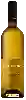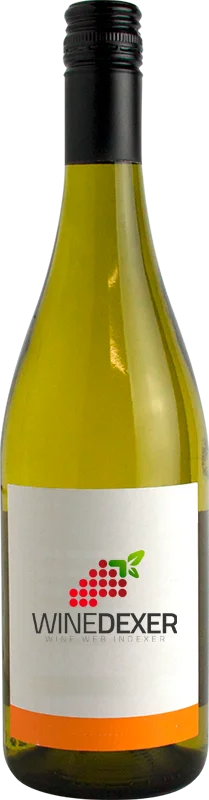
Winery GalaiCasa Blanca Dry Blanc de Noirs
 White wine


This wine generally goes well with poultry, beef or lamb.
The Casa Blanca Dry Blanc de Noirs of the Winery Galai is in the top 20 of wines of Negev.

Wine flavors and olphactive analysis

On the nose the Casa Blanca Dry Blanc de Noirs of Winery Galai in the region of Negev often reveals types of flavors of citrus fruit.
Food and wine pairings with Casa Blanca Dry Blanc de Noirs
Pairings that work perfectly with Casa Blanca Dry Blanc de Noirs



Original food and wine pairings with Casa Blanca Dry Blanc de Noirs

The Casa Blanca Dry Blanc de Noirs of Winery Galai matches generally quite well with dishes of beef, lamb or spicy food such as recipes of pastasciutta (corsica), mansaf, or jordanian lamb (jordan) or traditional tunisian couscous.
Details and technical informations about Winery Galai's Casa Blanca Dry Blanc de Noirs.
Discover the grape variety: Cabernet-Sauvignon
Structured, tannic reds, deeply coloured, with aromas of blackcurrant, blackberry, cedar, tobacco and graphite, underpinned by firm acidity and fine ageing potential. Cornerstone of the great Médoc estates (Pauillac, Saint-Estèphe, Saint-Julien) and signature of Napa Valley, Coonawarra and Maipo. The world's most planted red variety, a natural cross of Cabernet Franc x Sauvignon Blanc born in Bordeaux.
Last vintages of this wine
The best vintages of Casa Blanca Dry Blanc de Noirs from Winery Galai are 2017, 0, 2018
Informations about the Winery Galai
The Winery Galai is one of of the world's greatest estates. It offers 10 wines for sale in the of Negev to come and discover on site or to buy online.

The wine region of Negev
Southern Israeli desert, among the hottest and driest vineyards in the world (>300 days of sun). Vines at altitude (up to 900 m), cool nights compensating. Syrah is the signature red king: dense with blackberry, black cherry, pepper, bacon, garrigue, firm tannins — fruit-forward typical. Cabernet (blackcurrant, eucalyptus), supple Merlot.
The word of the wine: Bâtonnage
A very old technique that has come back into fashion in modern oenology, which consists of shaking the white wine in the barrels at the end of fermentation, or after fermentation, with a stick or a flail, in order to suspend the fine lees composed of yeasts at the end of their activity. This process is sometimes used for red wines.