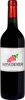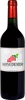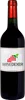
Winery Fürst Hohenlohe OehringenVerrenberg Zweigelt Trocken
 Red wine


This wine generally goes well with blue cheese, pork or lamb.

Food and wine pairings with Verrenberg Zweigelt Trocken
Pairings that work perfectly with Verrenberg Zweigelt Trocken



Original food and wine pairings with Verrenberg Zweigelt Trocken

The Verrenberg Zweigelt Trocken of Winery Fürst Hohenlohe Oehringen matches generally quite well with dishes of lamb, pork or mature and hard cheese such as recipes of original mafé with okra, brazilian feijoada or jack be little (mini pumpkin) egg casserole.
Details and technical informations about Winery Fürst Hohenlohe Oehringen's Verrenberg Zweigelt Trocken.
Discover the grape variety: Zweigelt
Supple and fruity reds with a vivid ruby colour, soft tannins and snappy acidity, with aromas of sour cherry, raspberry, red plum and gentle spices. Made as easy-drinking young reds and as more structured, oak-aged cellar wines. The most planted red variety in Austria (Burgenland, Carnuntum, Neusiedlersee), created in 1922 by Friedrich Zweigelt in Klosterneuburg, a cross of saint laurent × blaufränkisch.
Last vintages of this wine
The best vintages of Verrenberg Zweigelt Trocken from Winery Fürst Hohenlohe Oehringen are 0
Informations about the Winery Fürst Hohenlohe Oehringen
The Winery Fürst Hohenlohe Oehringen is one of of the world's greatest estates. It offers 72 wines for sale in the of Württemberg to come and discover on site or to buy online.

The wine region of Württemberg
Rare predominantly red region in Germany (nearly 70%). Supple, fruity everyday reds: light, crisp Trollinger (Schiava) with red fruits, more structured, spicy, deep Lemberger (Blaufränkisch), generous Schwarzriesling (Pinot Meunier). Riesling king of whites (>2,000 ha), lively and mineral, citrus and green apple. Germany's 4th region (11,500 ha) on the Neckar slopes around Heilbronn and Stuttgart.
The word of the wine: VQPRD
Quality wine produced in a specific region. European designation that groups together appellation wines, i.e., in France, AOC and VDQS.