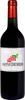
Winery Frederic CorpelHaute Corbieres Stade Toulousain
 Red wine
This wine generally goes well with beef, veal or pasta.

Food and wine pairings with Haute Corbieres Stade Toulousain
Pairings that work perfectly with Haute Corbieres Stade Toulousain



Original food and wine pairings with Haute Corbieres Stade Toulousain
The Haute Corbieres Stade Toulousain of Winery Frederic Corpel matches generally quite well with dishes of beef, pasta or veal such as recipes of oxtail confit in red wine, pasta with chicken, peppers and mushrooms or mouse of lamb with thyme.
Details and technical informations about Winery Frederic Corpel's Haute Corbieres Stade Toulousain.
Discover the grape variety: Mourisco
Light, fruity reds with a clear ruby hue, smooth tannins and an airy palate; signature aromas of red fruits (cherry, raspberry), gentle spices and floral notes. Airy style, adding freshness to blends. A traditional component of Douro DOC and Port blends, bringing freshness and aromas to great fortified wines. Native Portuguese black grape from the Douro, cultivated in decreasing quantities but preserved.
Informations about the Winery Frederic Corpel
The Winery Frederic Corpel is one of of the world's greatest estates. It offers 6 wines for sale in the of Languedoc-Roussillon to come and discover on site or to buy online.

The wine region of Languedoc-Roussillon
Largest single French vineyard, dominated by sunny, generous reds. Spicy Syrah, candied Grenache (ripe fruit, garrigue), structured Carignan, deep Mourvèdre, supple Cinsault. Stars: structured Corbières, Minervois, Faugères, Saint-Chinian; round Côtes-du-Roussillon. Legendary vins doux naturels: Banyuls and Maury (fortified Grenache) with notes of cocoa, fig, prune.
The word of the wine: Bordeaux barrel
Barrels of 220 to 225 litres. The toasting of the barrel to bend the staves (curved boards used to make the barrels) can vary according to the coopers and the demand. A gentle and slow toasting has little effect on the aromas. On the other hand, a strong toasting gives aromas of coffee or cocoa which will influence the taste of the wine. A wine barrel has already been aged for a year and has less impact on the wine than a new barrel.