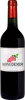
Winery Fratelli CeiChianti
 Red wine


This wine is a blend of 3 varietals which are the Cabernet-Sauvignon, the Sangiovese and the Merlot.
In the mouth this red wine is a with a nice balance between acidity and tannins.
This wine generally goes well with poultry, beef or veal.
Taste structure of the Chianti from the Winery Fratelli Cei
Light | Bold | |
Smooth | Tannic | |
Dry | Sweet | |
Soft | Acidic |
In the mouth the Chianti of Winery Fratelli Cei in the region of Tuscany is a with a nice balance between acidity and tannins.
Food and wine pairings with Chianti
Pairings that work perfectly with Chianti



Original food and wine pairings with Chianti
The Chianti of Winery Fratelli Cei matches generally quite well with dishes of beef, veal or poultry such as recipes of veal shank with mushrooms, veal colombo or quiche with bacon and gruyère cheese.
Details and technical informations about Winery Fratelli Cei's Chianti.
Discover the grape variety: Cabernet-Sauvignon
Cabernet-Sauvignon noir is a grape variety that originated in France (Bordeaux). It produces a variety of grape specially used for wine making. It is rare to find this grape to eat on our tables. This variety of grape is characterized by small bunches, and small grapes. Cabernet-Sauvignon noir can be found in many vineyards: South-West, Loire Valley, Languedoc & Roussillon, Cognac, Bordeaux, Armagnac, Rhone Valley, Provence & Corsica, Savoie & Bugey, Beaujolais.
Last vintages of this wine
The best vintages of Chianti from Winery Fratelli Cei are 0
Informations about the Winery Fratelli Cei
The Winery Fratelli Cei is one of of the world's great estates. It offers 27 wines for sale in the of Tuscany to come and discover on site or to buy online.

The wine region of Tuscany
Tuscany is one of the most famous and prolific wine regions in Europe. It is best known for its Dry red wines made from Sangiovese grapes, which dominate production. These include Chianti, Brunello di Montalcino and Vino Nobile di Montepulciano. The region's Vin Santo is also highly prized, as are its passito dessert wines, though these are produced in comparatively tiny quantities.
The word of the wine: Maturing (champagne)
After riddling, the bottles are stored on "point", upside down, with the neck of one bottle in the bottom of the other. The duration of this maturation is very important: in contact with the dead yeasts, the wine takes on subtle aromas and gains in roundness and fatness. A brut without year must remain at least 15 months in the cellar after bottling, a vintage 36 months.