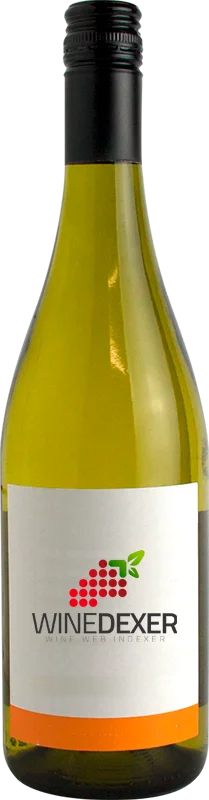
Winery Franklin Hill VineyardsCatawba
 White wine


This wine generally goes well with
The Catawba of the Winery Franklin Hill Vineyards is in the top 50 of wines of Pennsylvania.
Wine flavors and olphactive analysis

On the nose the Catawba of Winery Franklin Hill Vineyards in the region of Pennsylvania often reveals types of flavors of tree fruit.
Details and technical informations about Winery Franklin Hill Vineyards's Catawba.
Discover the grape variety: Catawba
American, was widely planted in the first half of the 19th century, particularly in the northern part of the United States. Discovered in 1819, it is the result of an interspecific cross between Vitis Labrusca Linné and Semillon (F. Huber 2016). It can still be found in the United States (New York, Ohio, etc.), Canada (Ontario), Brazil, South Africa, England, etc. In France, it is almost unknown. Note that the Catawba is also related to the concord.
Last vintages of this wine
The best vintages of Catawba from Winery Franklin Hill Vineyards are 0
Informations about the Winery Franklin Hill Vineyards
The Winery Franklin Hill Vineyards is one of of the world's greatest estates. It offers 25 wines for sale in the of Pennsylvania to come and discover on site or to buy online.

The wine region of Pennsylvania
Pennsylvania is a state in the northeastern United States. It covers 119,000 km² (46,000 square miles) between Lake Erie and the Atlantic coast. Pennsylvania wines are produced from a variety of native Grape varieties such as Delaware, French-American hybrids such as Chambourcin and Seyval Blanc, and well-known vinifera varieties including Cabernet Sauvignon, Cabernet Franc and Merlot. With about 14,000 acres (5665ha) of vineyards, Pennsylvania is one of the most prolific wine-growing states in the country, along with New York, Washington and Oregon (none of these states match California's production, which accounts for about 90 percent of U.
The word of the wine: Serious
A Bordeaux term for small pebbles from the Pyrenees, eroded, rounded and transported by the Garonne to Aquitaine. They are mainly found on the left bank in the area.... known as the Graves, and further downstream in the Médoc. By extension, gravel is found in other regions, brought by other rivers or even glaciers.