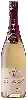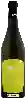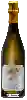
Winery Francesco Bellei & CAncestrale Pignoletto Modena
 Sparkling wine


This wine generally goes well with

Details and technical informations about Winery Francesco Bellei & C's Ancestrale Pignoletto Modena.
Discover the grape variety: Gros Manseng
Structured, aromatic whites with lively acidity and an ample mouth, featuring intense aromas of exotic fruits (pineapple, mango, passion fruit), ripe citrus, yellow peach, white flowers, honey and sweet spices. Made as nervy modern dry wines (Jurançon sec AOC, IGP Côtes de Gascogne) and sumptuous passerillage sweet wines (Jurançon AOC, Pacherenc du Vic-Bilh AOC). Late-ripening native grape of Béarn, the productive sibling of Petit Manseng.
Last vintages of this wine
The best vintages of Ancestrale Pignoletto Modena from Winery Francesco Bellei & C are 0
Informations about the Winery Francesco Bellei & C
The Winery Francesco Bellei & C is one of of the world's greatest estates. It offers 11 wines for sale in the of Colli Bolognesi Classico Pignoletto to come and discover on site or to buy online.

The wine region of Colli Bolognesi Classico Pignoletto
DOCG from the historic Bolognese hills: Grechetto Gentile (locally Pignoletto) reigns in white (≥95% in Classico Superiore) — aromatic and crisp, aromas of green apple, pear, citrus and almond, mineral bouquet and citrus notes, dry and zesty palate, long finish of marzipan and sweet almond typical of the grape. Fruit-minerality balance, food-friendly whites with ageing potential, historic signature of Bologna.
The wine region of Emilia-Romagna
Kingdom of Lambrusco: fresh, fruity sparkling reds (blackberry, cherry, violet), from gourmet dry to convivial off-dry, perfect with local charcuterie. World's best-selling sparkling wine on the Emilia side (Sorbara, Grasparossa, Salamino). East, Romagna: supple fruity Sangiovese, Albana (Italy's 1st white DOCG, 1987) ample and almondy. Also red Gutturnio and white Pignoletto.
The word of the wine: Pressing
Mechanical action consisting of pressing the grapes (before fermentation for whites) or the marc soaked in wine (after fermentation for reds).