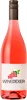
Vignerons CatalansRosè
 Pink wine
This wine generally goes well with
Details and technical informations about Vignerons Catalans's Rosè.
Discover the grape variety: Merlot khorus
An interspecific cross between Merlot noir and Kozma 20-3 (also the same parents of Merlot Khantus) obtained in 2002 by Simone Diego Castellarin and Guido Cipriani at the Institute of Applied Genomics in Udine, Italy. Merlot khorus is particularly resistant to mildew and tolerant to powdery mildew. Known in Italy ... almost unknown in France, not registered in the Official Catalogue of wine grape varieties.
Informations about the Vignerons Catalans
The Vignerons Catalans is one of wineries to follow in Hérault.. It offers 200 wines for sale in the of Hérault to come and discover on site or to buy online.

The wine region of Hérault
The wine region of Hérault is located in the region of Pays d'Oc of Vin de Pays of France. Wineries and vineyards like the Domaine La Grange des Pères or the Domaine La Grange des Pères produce mainly wines red, white and pink. The most planted grape varieties in the region of Hérault are Merlot, Cabernet-Sauvignon and Chardonnay, they are then used in wines in blends or as a single variety. On the nose of Hérault often reveals types of flavors of minerality, yellow apple or passion fruit and sometimes also flavors of nutty, anise or stone fruit.
The wine region of Pays d'Oc
Pays d'Oc is the PGI for red, white and rosé wines that are produced over a wide area of the southern coast of France. The PGI catchment area corresponds roughly to the Languedoc-roussillon">Languedoc-Roussillon wine region, one of the largest wine regions in France. The area covers all wines that are not produced under the strict laws that govern AOC-level appellations in the regions: among them, Corbières, Minervois and the Languedoc appellation itself. The Pays d'Oc PGI is arguably the most important in France, producing the majority of the country's PGI wines.
The word of the wine: Stirring
In the traditional method, the operation aims to bring the deposits against the cork by the movement of the bottles placed on desks. The stirring can be manual or mechanical (using gyropalettes).