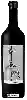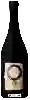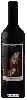
Winery McKennaSelection Reserve Trilogy
 Red wine



In the mouth this red wine is a powerful with a nice balance between acidity and tannins.
This wine generally goes well with poultry, beef or veal.
Taste structure of the Selection Reserve Trilogy from the Winery McKenna
Light | Bold | |
Smooth | Tannic | |
Dry | Sweet | |
Soft | Acidic |
In the mouth the Selection Reserve Trilogy of Winery McKenna in the region of California is a powerful with a nice balance between acidity and tannins.
Food and wine pairings with Selection Reserve Trilogy
Pairings that work perfectly with Selection Reserve Trilogy



Original food and wine pairings with Selection Reserve Trilogy

The Selection Reserve Trilogy of Winery McKenna matches generally quite well with dishes of beef, lamb or veal such as recipes of monkfish with vegetable tagliatelle, bitumen leg of lamb or pork tenderloin with chorizo and peppers.
Details and technical informations about Winery McKenna's Selection Reserve Trilogy.
Discover the grape variety: Agiorgitiko
It is very old in Greece, most certainly originating from the Aegean islands of Santorini(i) to be precise, where it is still the second black variety cultivated today. It is found in Canada (Quebec), in France it is practically unknown, although it is registered in the Official Catalogue of wine grape varieties, list A1.
Last vintages of this wine
The best vintages of Selection Reserve Trilogy from Winery McKenna are 2011, 2016
Informations about the Winery McKenna
The Winery McKenna is one of of the world's greatest estates. It offers 5 wines for sale in the of California to come and discover on site or to buy online.

The wine region of California
California is the largest and most important wine region in the United States. It represents the southern two-thirds (850 miles or 1,370 kilometers) of the country's west coast. (Oregon and Washington make up the rest. ) The state also spans nearly 10 degrees of latitude.
The word of the wine: Extraction
All the methods (pumping over, punching down) that allow the colour and tannins to be extracted from the grape skin during maceration, before fermentation begins. It is also possible to macerate after fermentation, but gently, so as not to extract the tannins from the seeds, which are greener. Because of its solvent power, alcohol favours extraction.