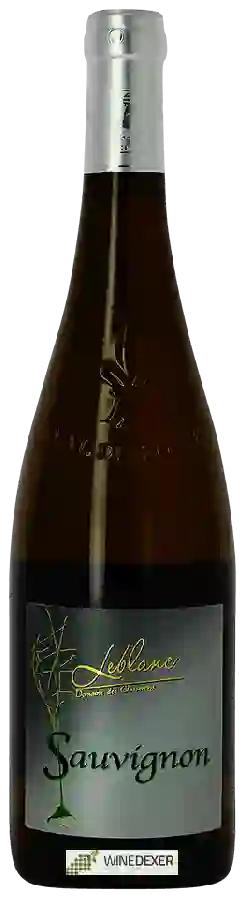
Leblanc - Domaine les ClosseronsSauvignon
 White wine



This wine generally goes well with vegetarian, rich fish (salmon, tuna etc) or shellfish.

Food and wine pairings with Sauvignon
Pairings that work perfectly with Sauvignon



Original food and wine pairings with Sauvignon
The Sauvignon of Leblanc - Domaine les Closserons matches generally quite well with dishes of rich fish (salmon, tuna etc), shellfish or vegetarian such as recipes of potato and smoked salmon gratin, seafood pastilla or spinach and goat cheese quiche.
Details and technical informations about Leblanc - Domaine les Closserons's Sauvignon.
Discover the grape variety: Montepulciano
Powerful, fruity reds with a deep ruby robe, supple but present tannins and fresh acidity, showing intense aromas of black cherry, blackberry, plum, violet, sweet spices, liquorice and balsamic notes. Round, generous palate, approachable young. Also in luscious rosés. Absolute star of Montepulciano d'Abruzzo DOC, Cerasuolo d'Abruzzo DOC (rosé) and Colline Teramane DOCG, pillar of the Marche (Conero DOCG). Autochthonous Abruzzo variety, one of the most planted in Italy.
Informations about the Leblanc - Domaine les Closserons
The Leblanc - Domaine les Closserons is one of of the world's greatest estates. It offers 29 wines for sale in the of Loire Valley to come and discover on site or to buy online.

The wine region of Loire Valley
Kingdom of lively, dry whites and fine sparklers. Mineral, taut Sauvignon Blanc (Sancerre, Pouilly-Fumé) with citrus and gunflint notes. Multiform Chenin Blanc (Vouvray, Savennières, Layon): straight dry, floral off-dry or noble sweet honey-quince. Saline, iodised Muscadet (Melon B.
The word of the wine: Champagne rosé
Often obtained by adding red wines (from Champagne), it is even the only vineyard where this practice is allowed. Some producers prefer the practice used in other regions, i.e. a short maceration to extract sufficient colouring matter. This results in winey rosés for meals. Elegant aperitif rosé is more often made from red wine coloured Chardonnay. Rosés can be vintage or non vintage.


