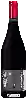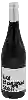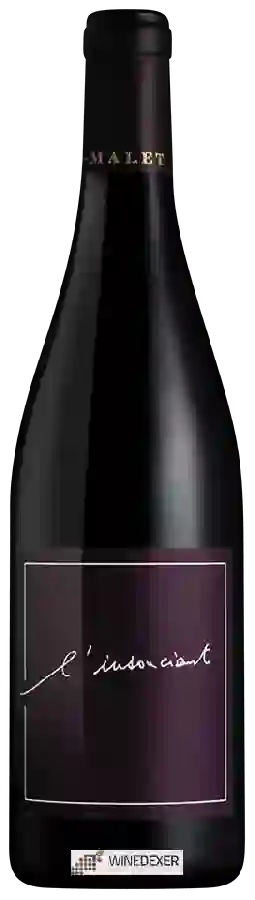
Domaine Sarda-Maletl'Insouciant
 Red wine



This wine generally goes well with beef and mature and hard cheese.

Food and wine pairings with l'Insouciant
Pairings that work perfectly with l'Insouciant


Original food and wine pairings with l'Insouciant
The l'Insouciant of Domaine Sarda-Malet matches generally quite well with dishes of beef or mature and hard cheese such as recipes of polish goulash or salad with 4 cheeses and 2 fruits.
Details and technical informations about Domaine Sarda-Malet's l'Insouciant.
Discover the grape variety: Hegel
Deeply coloured, simple fruity reds with a sustained purple colour, soft tannins and an airy palate with preserved acidity, showing aromas of red and black fruits. Productive. Grown in small quantities in Germany and the Benelux for organic and sustainably managed vineyards, part of the new generation of mildew- and powdery mildew-resistant varieties. German black hybrid obtained in the 20th century, a disease-resistant crossing.
Last vintages of this wine
The best vintages of l'Insouciant from Domaine Sarda-Malet are 2008, 2010
Informations about the Domaine Sarda-Malet
The Domaine Sarda-Malet is one of of the world's greatest estates. It offers 16 wines for sale in the of Vin de France to come and discover on site or to buy online.

The wine region of Vin de France
The freest category of French wine, the playground of winemakers working outside the AOC. All styles combined: fruity reds, lively or ambitious whites, everyday rosés, unusual blends, natural wines, atypical grapes (Petit Manseng in Languedoc, Riesling in Provence), experimental winemaking (skin-contact whites, no sulphur). Grape and vintage labelling allowed, no geographic constraint. From the pop, convivial cuvée to the artisan gem: freedom in a bottle.
The word of the wine: Extra-dry
Champagne with between 12 and 20 grams of sugar (see dosage liqueur).