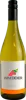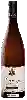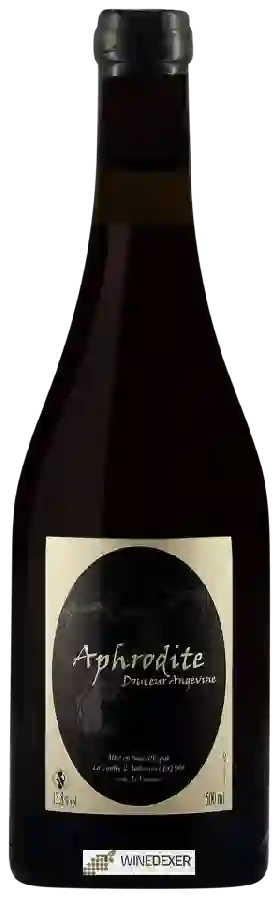
Winery La Coulée d'AmbrosiaAphrodite Douceur Angevine
 White wine


In the mouth this white wine is a with a nice freshness.
This wine generally goes well with vegetarian, poultry or rich fish (salmon, tuna etc).

Taste structure of the Aphrodite Douceur Angevine from the Winery La Coulée d'Ambrosia
Light | Bold | |
Dry | Sweet | |
Soft | Acidic |
In the mouth the Aphrodite Douceur Angevine of Winery La Coulée d'Ambrosia in the region of Loire Valley is a with a nice freshness.
Food and wine pairings with Aphrodite Douceur Angevine
Pairings that work perfectly with Aphrodite Douceur Angevine



Original food and wine pairings with Aphrodite Douceur Angevine

The Aphrodite Douceur Angevine of Winery La Coulée d'Ambrosia matches generally quite well with dishes of rich fish (salmon, tuna etc), vegetarian or poultry such as recipes of skate wing with caper butter, tuna, pepper and tomato quiche or chicken and onion quiche.
Details and technical informations about Winery La Coulée d'Ambrosia's Aphrodite Douceur Angevine.
Discover the grape variety: Chenin blanc
Chameleon whites with taut acidity, ranging from mineral dry (Savennières, Vouvray sec) to off-dry and medium-sweet (Vouvray, Montlouis), sumptuous botrytised sweet (Quarts-de-Chaume, Bonnezeaux, Coteaux du Layon) and brilliant sparkling (Crémant de Loire, Vouvray brut). Aromas of quince, apple, honey, white flowers, beeswax and flint. An Anjou variety, also star of South Africa's Western Cape.
Informations about the Winery La Coulée d'Ambrosia
The Winery La Coulée d'Ambrosia is one of of the world's greatest estates. It offers 12 wines for sale in the of Loire Valley to come and discover on site or to buy online.

The wine region of Loire Valley
Kingdom of lively, dry whites and fine sparklers. Mineral, taut Sauvignon Blanc (Sancerre, Pouilly-Fumé) with citrus and gunflint notes. Multiform Chenin Blanc (Vouvray, Savennières, Layon): straight dry, floral off-dry or noble sweet honey-quince. Saline, iodised Muscadet (Melon B.
The word of the wine: Yeast
Micro-organisms at the base of all fermentative processes. A wide variety of yeasts live and thrive naturally in the vineyard, provided that treatments do not destroy them. Unfortunately, their replacement by laboratory-selected yeasts is often the order of the day and contributes to the standardization of the wine. Yeasts are indeed involved in the development of certain aromas.