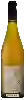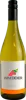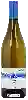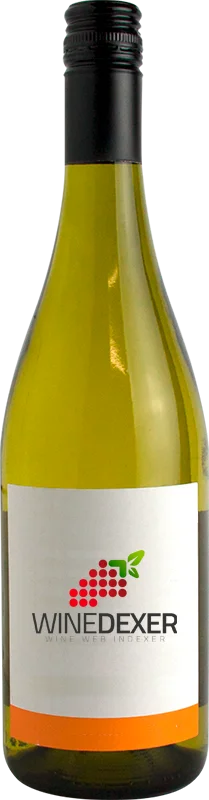
Winery La Coulée d'AmbrosiaEureka
 White wine


This wine generally goes well with fruity desserts, lean fish or shellfish.

Wine flavors and olphactive analysis

On the nose the Eureka of Winery La Coulée d'Ambrosia in the region of Vin de France often reveals types of flavors of citrus, tree fruit or citrus fruit.
Food and wine pairings with Eureka
Pairings that work perfectly with Eureka


Original food and wine pairings with Eureka
The Eureka of Winery La Coulée d'Ambrosia matches generally quite well with dishes of shellfish, lean fish or fruity desserts such as recipes of cuttlefish rust from my grandmother in sète, lamb with okra sauce or the coughing cat's apple crumble.
Details and technical informations about Winery La Coulée d'Ambrosia's Eureka.
Discover the grape variety: Chenin blanc
Chameleon whites with taut acidity, ranging from mineral dry (Savennières, Vouvray sec) to off-dry and medium-sweet (Vouvray, Montlouis), sumptuous botrytised sweet (Quarts-de-Chaume, Bonnezeaux, Coteaux du Layon) and brilliant sparkling (Crémant de Loire, Vouvray brut). Aromas of quince, apple, honey, white flowers, beeswax and flint. An Anjou variety, also star of South Africa's Western Cape.
Last vintages of this wine
The best vintages of Eureka from Winery La Coulée d'Ambrosia are 2008
Informations about the Winery La Coulée d'Ambrosia
The Winery La Coulée d'Ambrosia is one of of the world's greatest estates. It offers 12 wines for sale in the of Vin de France to come and discover on site or to buy online.

The wine region of Vin de France
The freest category of French wine, the playground of winemakers working outside the AOC. All styles combined: fruity reds, lively or ambitious whites, everyday rosés, unusual blends, natural wines, atypical grapes (Petit Manseng in Languedoc, Riesling in Provence), experimental winemaking (skin-contact whites, no sulphur). Grape and vintage labelling allowed, no geographic constraint. From the pop, convivial cuvée to the artisan gem: freedom in a bottle.
The word of the wine: Hat
Solid part (marc), composed of pips and skins (sometimes of the stalk), which forms at the top of the tank during fermentation. The pigeage consists in breaking this cap to put back in suspension these elements and to favour the exchanges between the juice and the skins.