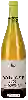
Winery Coteaux de MontpellierSeigneur Gondran Coteaux du Languedoc
 Red wine
This wine generally goes well with beef, veal or pasta.
Food and wine pairings with Seigneur Gondran Coteaux du Languedoc
Pairings that work perfectly with Seigneur Gondran Coteaux du Languedoc



Original food and wine pairings with Seigneur Gondran Coteaux du Languedoc
The Seigneur Gondran Coteaux du Languedoc of Winery Coteaux de Montpellier matches generally quite well with dishes of beef, pasta or veal such as recipes of quick beef bourguignon, pasta romantica or roast veal grand-mère madou.
Details and technical informations about Winery Coteaux de Montpellier's Seigneur Gondran Coteaux du Languedoc.
Discover the grape variety: Pinot gris
Pinot Gris is a grey grape variety mutated from Pinot Noir. It has its origins in Burgundy, where it is called pinot-beurot in reference to the colour of the grey robes worn by the monks of the region. Established in Alsace since the 17th century, pinot gris was called tokay until 2007. It is made up of bunches of small berries that vary in colour from pink to blue-grey. It is particularly well suited to the continental climate because it is resistant to the cold in winter and to spring frosts. This variety also likes dry limestone soils with plenty of sunshine in the summer. Pinot Gris is well suited to late harvesting or to the selection of noble grapes, depending on the year and the concentration of sugars in the berries. Pinot Gris wines are distinguished by their aromatic complexity of white fruits, mushrooms, honey, vanilla, cinnamon, etc., and their great finesse. In the Loire Valley, pinot gris is used in the Coteaux-d'Ancenis appellations. It gives dry or sweet wines with pear and peach aromas.
Informations about the Winery Coteaux de Montpellier
The Winery Coteaux de Montpellier is one of wineries to follow in Languedoc.. It offers 7 wines for sale in the of Languedoc to come and discover on site or to buy online.

The wine region of Languedoc
Languedoc (formerly Coteaux du Languedoc) is a key appellation used in the Languedoc-Roussillon wine region of southern France. It covers Dry table wines of all three colors (red, white and rosé) from the entire region, but leaves Sweet and Sparkling wines to other more specialized appellations. About 75% of all Languedoc wines are red, with the remaining 25% split roughly down the middle between whites and rosés. The appellation covers most of the Languedoc region and almost a third of all the vineyards in France.
The wine region of Languedoc-Roussillon
Languedoc (formerly Coteaux du Languedoc) is a key appellation used in the Languedoc-Roussillon wine region of southern France. It covers Dry table wines of all three colors (red, white and rosé) from the entire region, but leaves Sweet and Sparkling wines to other more specialized appellations. About 75% of all Languedoc wines are red, with the remaining 25% split roughly down the middle between whites and rosés. The appellation covers most of the Languedoc region and almost a third of all the vineyards in France.
The word of the wine: Consistency
In tasting, it is the equivalent of chewing (the chewiness of a tannic red wine is also mentioned). We then speak of firmness, fluidity, softness, hardness, and why not the crunchiness of an early wine by reference to the grape.