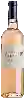
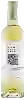
Clos BagatelleMuscat Saint-Jean-de-Minervois
 Sweet wine


This wine generally goes well with spicy food and sweet desserts.
Food and wine pairings with Muscat Saint-Jean-de-Minervois
Pairings that work perfectly with Muscat Saint-Jean-de-Minervois


Original food and wine pairings with Muscat Saint-Jean-de-Minervois
The Muscat Saint-Jean-de-Minervois of Clos Bagatelle matches generally quite well with dishes of spicy food or sweet desserts such as recipes of chicken with rice and curry cream or express cherry clafoutis.
Details and technical informations about Clos Bagatelle's Muscat Saint-Jean-de-Minervois.
Discover the grape variety: Merlot khantus
An interspecific cross between Merlot noir and Kozma 20-3 (also the same parents of Merlot khorus) obtained in 2002 by Simone Diego Castellarin and Guido Cipriani at the Institute of Applied Genomics in Udine, Italy. Merlot khantus is particularly resistant to mildew and tolerant to powdery mildew. Known in Italy ... almost unknown in France and not registered in the Official Catalogue of wine grape varieties.
Informations about the Clos Bagatelle
The Clos Bagatelle is one of of the world's great estates. It offers 39 wines for sale in the of Muscat de St. Jean de Minervois to come and discover on site or to buy online.

The wine region of Muscat de St. Jean de Minervois
Muscat de Saint-Jean-de-Minervois is a Sweet, fortified, natural wine appellation from the Languedoc wine region in Southern France. The wines are based on the Muscat Blanc a Petits Grains Grape variety. Muscat de Saint-Jean-de-Minervois wines are produced using a traditional sweet winemaking process called Mutage, which involves adding Alcohol to the grape must to prematurely stop the Yeast">yeast and thus the Fermentation process. They generally have a residual sugar content of about 125 grams per litre and an alcohol content of about 15%.
The wine region of Languedoc-Roussillon
Languedoc (formerly Coteaux du Languedoc) is a key appellation used in the Languedoc-Roussillon wine region of southern France. It covers Dry table wines of all three colors (red, white and rosé) from the entire region, but leaves Sweet and Sparkling wines to other more specialized appellations. About 75% of all Languedoc wines are red, with the remaining 25% split roughly down the middle between whites and rosés. The appellation covers most of the Languedoc region and almost a third of all the vineyards in France.
The word of the wine: Eye
In tasting, this is the first phase of the analysis of the wine, which consists of describing its visual aspect (colour, intensity, clarity, brilliance and possible defects).