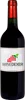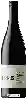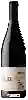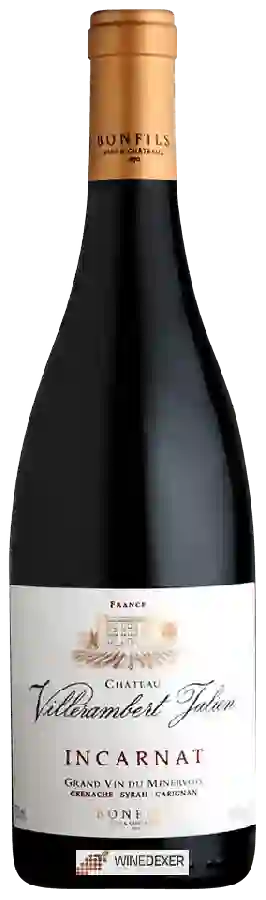
Château Villerambert JulienIncarnat
 Red wine



In the mouth this red wine is a powerful with a nice balance between acidity and tannins.
This wine generally goes well with beef, veal or pasta.

Taste structure of the Incarnat from the Château Villerambert Julien
Light | Bold | |
Smooth | Tannic | |
Dry | Sweet | |
Soft | Acidic |
In the mouth the Incarnat of Château Villerambert Julien in the region of Languedoc-Roussillon is a powerful with a nice balance between acidity and tannins.
Wine flavors and olphactive analysis


On the nose the Incarnat of Château Villerambert Julien in the region of Languedoc-Roussillon often reveals types of flavors of tobacco, leather or red cherry and sometimes also flavors of non oak, earth or oak.
Food and wine pairings with Incarnat
Pairings that work perfectly with Incarnat



Original food and wine pairings with Incarnat
The Incarnat of Château Villerambert Julien matches generally quite well with dishes of beef, pasta or veal such as recipes of salmon with cream sauce, homemade italian lasagna or veal axoa (basque country).
Details and technical informations about Château Villerambert Julien's Incarnat.
Discover the grape variety: Parellada
Lively, elegant whites with finely chiselled acidity and a light palate, with aromas of lemon, green apple, white flowers, fresh herbs and discreet mineral notes. Brings freshness and aromatic finesse to Cava DO blends (with macabeo and xarel-lo), defining the taut identity of Catalan sparkling wines. Also as light still whites in Penedès DO and Conca de Barberà DO. Native Catalan variety grown at altitude.
Last vintages of this wine
The best vintages of Incarnat from Château Villerambert Julien are 2009, 2014
Informations about the Château Villerambert Julien
The Château Villerambert Julien is one of of the world's greatest estates. It offers 13 wines for sale in the of Minervois to come and discover on site or to buy online.

The wine region of Minervois
Mediterranean Languedoc reds (84% of output) north of the Canal du Midi. Signature Syrah with notes of blackberry, violet, black pepper and garrigue, blended with dense Mourvèdre, sunny Grenache (candied red fruits, spices) and old-vine Carignan (black fruits, dry herbs, firm tannins). Fleshy palate, freshness at altitude. Minervois-La Livinière cru at the top (1999), dense and age-worthy.
The wine region of Languedoc-Roussillon
Largest single French vineyard, dominated by sunny, generous reds. Spicy Syrah, candied Grenache (ripe fruit, garrigue), structured Carignan, deep Mourvèdre, supple Cinsault. Stars: structured Corbières, Minervois, Faugères, Saint-Chinian; round Côtes-du-Roussillon. Legendary vins doux naturels: Banyuls and Maury (fortified Grenache) with notes of cocoa, fig, prune.
The word of the wine: Côte des Bar
This is the name given to the vineyards of the Aube, which are closer to Burgundy, and some of the wines produced here bear witness to this proximity. The pinot noir dominates, the meunier is practically absent. Two crus have become references: Riceys, where a rosé without bubbles is also produced, and Montgueux near Troyes, renowned for its Chardonnay.