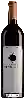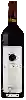
Château Sainte CroixRéserve des Anges
 Red wine



This wine generally goes well with poultry, beef or lamb.

Wine flavors and olphactive analysis

Food and wine pairings with Réserve des Anges
Pairings that work perfectly with Réserve des Anges



Original food and wine pairings with Réserve des Anges


The Réserve des Anges of Château Sainte Croix matches generally quite well with dishes of beef, lamb or spicy food such as recipes of quick beef bourguignon, oriental stew with couscous or keftas tajine with eggs.
Details and technical informations about Château Sainte Croix's Réserve des Anges.
Discover the grape variety: Cabernet-Sauvignon
Structured, tannic reds, deeply coloured, with aromas of blackcurrant, blackberry, cedar, tobacco and graphite, underpinned by firm acidity and fine ageing potential. Cornerstone of the great Médoc estates (Pauillac, Saint-Estèphe, Saint-Julien) and signature of Napa Valley, Coonawarra and Maipo. The world's most planted red variety, a natural cross of Cabernet Franc x Sauvignon Blanc born in Bordeaux.
Last vintages of this wine
The best vintages of Réserve des Anges from Château Sainte Croix are 2017, 2015, 2016, 2010 and 2013.
Informations about the Château Sainte Croix
The Château Sainte Croix is one of of the world's greatest estates. It offers 32 wines for sale in the of Provence to come and discover on site or to buy online.

The wine region of Provence
World capital of dry, refined rosé (~90% of production). Pale rose-petal colour, delicate nose of fresh red fruits (strawberry, raspberry, redcurrant), citrus (pink grapefruit), white flowers and a mineral touch, taut and thirst-quenching palate — the Mediterranean aperitif par excellence. Blends of Grenache, Cinsault, Syrah, Tibouren and Mourvèdre. Fleshy Bandol reds from Mourvèdre (leather, garrigue, age-worthy), straight Cassis whites.
The word of the wine: Performance
Quantity of grapes harvested per hectare. In AOC, the average yield is limited on the proposal of the appellation syndicate, validated by the Inao. The use of high-performance plant material (especially clones) and better control of vine diseases have increased yields. This is not without consequences on the quality of the wines (dilution) and on the state of the market (too much wine). We must not over-simplify: low yields are not synonymous with quality, and it is often in years with generous harvests that we find the greatest vintages (1982 and 1986 in Bordeaux, 1996 in Champagne, 1990 and 2005 in Burgundy...).