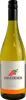
Château de la Roche en LoireChenin Pétillant Naturel
 Sparkling wine



This wine generally goes well with fruity desserts, lean fish or shellfish.

Food and wine pairings with Chenin Pétillant Naturel
Pairings that work perfectly with Chenin Pétillant Naturel


Original food and wine pairings with Chenin Pétillant Naturel
The Chenin Pétillant Naturel of Château de la Roche en Loire matches generally quite well with dishes of shellfish, lean fish or fruity desserts such as recipes of scallops with chorizo sauce, fish curry à la reunion or express cherry clafoutis.
Details and technical informations about Château de la Roche en Loire's Chenin Pétillant Naturel.
Discover the grape variety: Chenin blanc
Chameleon whites with taut acidity, ranging from mineral dry (Savennières, Vouvray sec) to off-dry and medium-sweet (Vouvray, Montlouis), sumptuous botrytised sweet (Quarts-de-Chaume, Bonnezeaux, Coteaux du Layon) and brilliant sparkling (Crémant de Loire, Vouvray brut). Aromas of quince, apple, honey, white flowers, beeswax and flint. An Anjou variety, also star of South Africa's Western Cape.
Last vintages of this wine
The best vintages of Chenin Pétillant Naturel from Château de la Roche en Loire are 2014
Informations about the Château de la Roche en Loire
The Château de la Roche en Loire is one of of the world's greatest estates. It offers 19 wines for sale in the of Loire Valley to come and discover on site or to buy online.

The wine region of Loire Valley
Kingdom of lively, dry whites and fine sparklers. Mineral, taut Sauvignon Blanc (Sancerre, Pouilly-Fumé) with citrus and gunflint notes. Multiform Chenin Blanc (Vouvray, Savennières, Layon): straight dry, floral off-dry or noble sweet honey-quince. Saline, iodised Muscadet (Melon B.
The word of the wine: Volume
Characteristic of a wine that gives the impression of being full in the mouth.